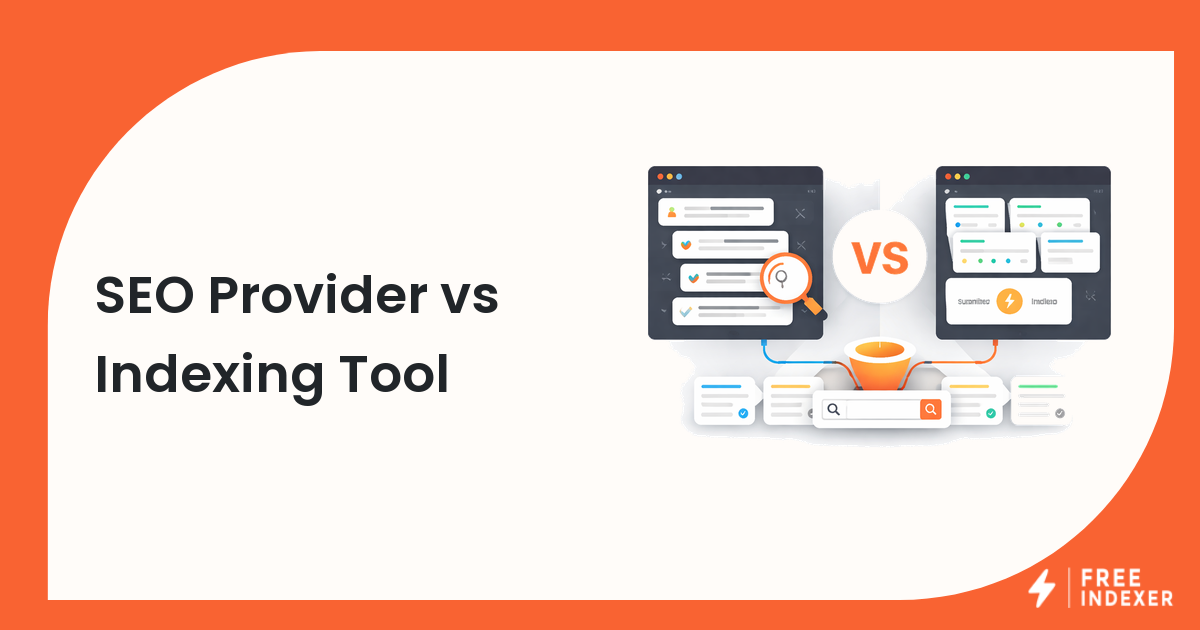
An SEO provider and an indexing tool are not substitutes. A provider helps execute SEO work. An indexing tool helps organize discovery follow-up for URLs or backlinks that already exist and are worth prioritizing.
For the backlink-specific version, read backlink indexing tool vs SEO provider. This guide compares the broader SEO provider versus indexing tool decision.
The Short Answer
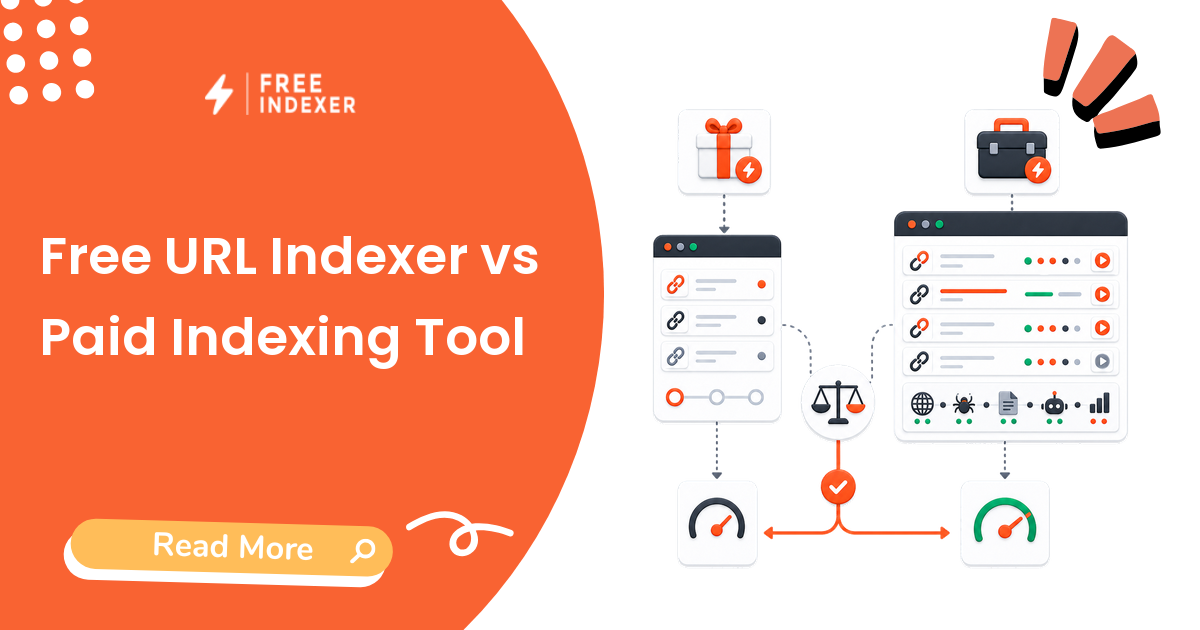
Choose an SEO provider when you need campaign execution, link-building support, content work, audits, or managed SEO tasks. Choose an indexing tool when you already have pages or backlinks and need a repeatable way to submit, prioritize, and track discovery follow-up.
Some teams use both. The important thing is to keep the workflow layers separate.
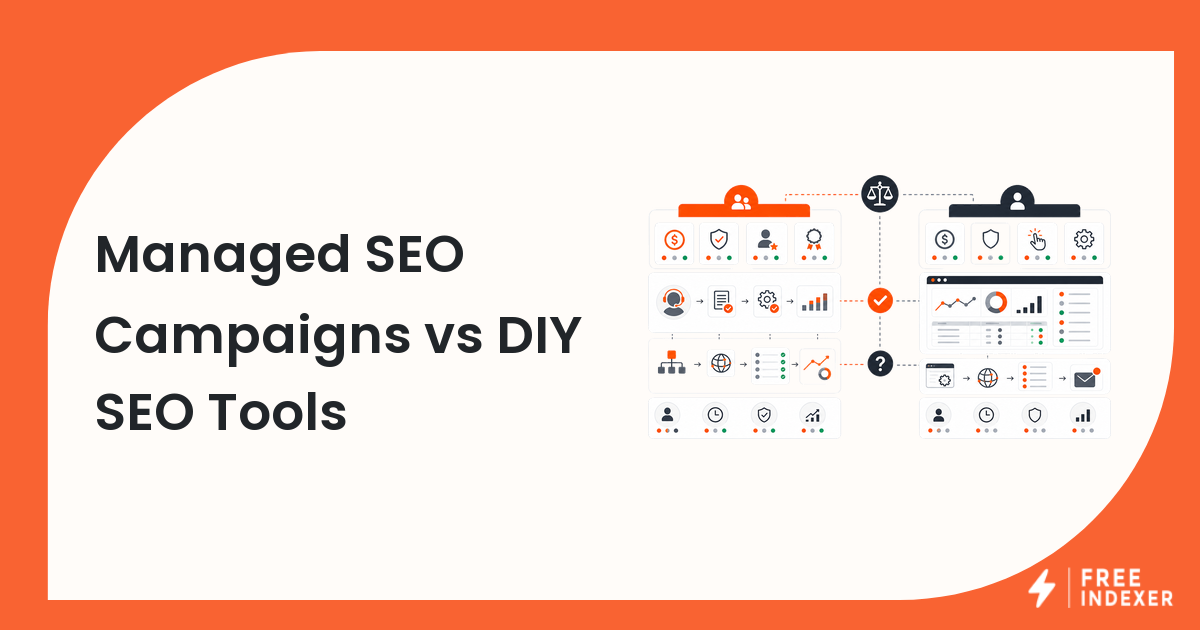
Comparison Table
| Factor | SEO provider | Indexing tool |
|---|---|---|
| Main role | Executes SEO work | Supports discovery follow-up |
| Input | Goals, target pages, briefs, budget | Verified URLs, backlinks, priority lists |
| Output | Deliverables, campaigns, placements, fixes | Submission records, tracking, queues |
| Best for | Teams needing done-for-you support | Operators with URLs to process |
| Reporting | What was delivered and verified | What was submitted and monitored |
| Limit | Cannot promise rankings responsibly | Cannot guarantee indexing or rankings |
If the decision is specifically about indexing software, use best Google indexing tools.
Where SEOeStore Fits
Teams that want managed SEO execution can use a provider such as SEOeStore as the campaign or service layer. That provider layer should be evaluated on deliverables, communication, quality controls, and reporting.
FreeIndexer is separate. It fits after pages or backlinks are verified and need indexing or discovery follow-up. It does not replace an SEO provider and should not be presented as managed SEO execution.
Decision Tree
| You need | Best starting point |
|---|---|
| Someone to plan or execute SEO tasks | SEO provider |
| Someone to build links or manage campaign work | SEO provider |
| A way to submit known URLs or backlinks | Indexing tool |
| A repeat queue for client URLs | Indexing workflow |
| A client report that separates work from outcomes | Use both layers clearly |
Practical Workflow
A clean provider-to-indexing workflow looks like this:
- Define campaign goals and target pages.
- Provider or internal team executes the campaign.
- Operator verifies delivered pages, links, or fixes.
- Qualified URLs enter a discovery follow-up queue.
- Search Console, analytics, and campaign records are checked over time.
- Reporting separates execution, verification, submission, and observed outcomes.
Use track backlink discovery for SEO campaigns when backlinks are part of the workflow. Use the Google Search Console indexing guide for diagnostic checks.
Common Mistakes
- Buying provider work and expecting it to guarantee rankings.
- Using an indexing tool before verifying whether URLs are live and worth follow-up.
- Reporting provider delivery and indexing follow-up as the same result.
- Choosing tools without assigning an owner for QA and reporting.
- Treating Search Console, providers, and indexing tools as interchangeable.
Part Of This Series
This article is part of the Tools Providers And Workflow Comparisons series.
Recommended path:
- Previous: Tools Providers And Workflow Comparisons
- Current: SEO Provider vs Indexing Tool
- Next: SEO Platform vs Indexing Tool
Series hub: Tools Providers And Workflow Comparisons
Related guides from other workflows:
FAQ
Is an indexing tool an SEO provider?
No. An indexing tool supports URL or backlink discovery follow-up. An SEO provider executes SEO work such as campaigns, content, links, or technical tasks.
Can I use both?
Yes. Use a provider for execution and an indexing tool for verified follow-up. Keep reporting separate.
Can either option guarantee rankings?
No. Responsible SEO workflows avoid ranking guarantees and explain what can be controlled versus what search engines decide.
Where does FreeIndexer fit?
FreeIndexer fits as the indexing and search discovery workflow layer for qualified URLs and backlinks.
Next Step
Use providers for execution and indexing tools for verified discovery follow-up. When the roles are clear, the workflow is easier to manage and easier to explain.