The Short Answer
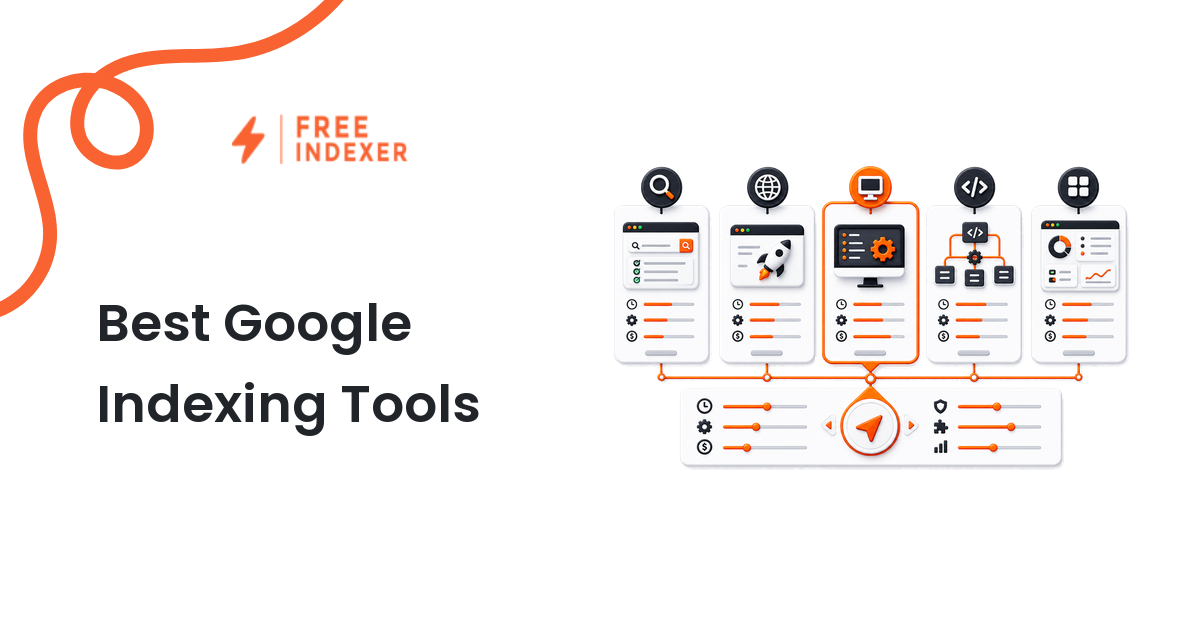
The best Google indexing tool depends on your workflow. Website owners usually need a simple submission process. SEO agencies need repeatable client workflows. Programmatic SEO builders need batching and prioritization. Technical teams may consider API-style systems. FreeIndexer fits users who want a practical online and desktop-friendly indexing workflow without building submission infrastructure themselves.
If you need the basics first, read the indexing education hub. If you want a free starting point, read the free URL indexer guide.
When This Matters
You are comparing indexing options because manual work is no longer enough. Maybe you are tired of checking individual URLs. Maybe you manage clients. Maybe your site publishes many pages. Maybe you need a low-cost way to submit backlinks and URLs.
This guide compares tool categories, not imaginary universal winners. The right choice depends on volume, technical comfort, budget, and how often you submit URLs.
Quick Decision Guide
Use manual submission when you have a few owned URLs and want diagnostics.
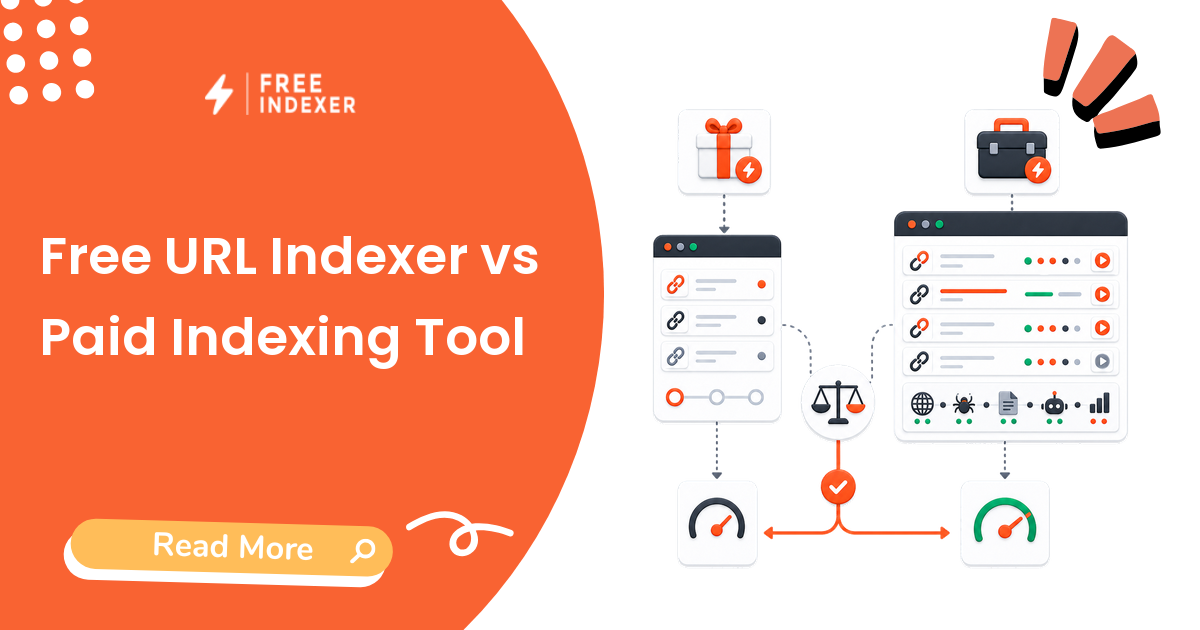
Use a free URL indexer when you need a simple, low-cost submission workflow for selected URLs.
Use FreeIndexer when you want a repeatable online workflow, low-cost plans, and a desktop app option for list-heavy work.
Use an API-style workflow when you have engineering resources and need indexing submission tied deeply into your own publishing system.
Use a full SEO platform when indexing is only one small part of a broader analytics, crawling, and reporting need.
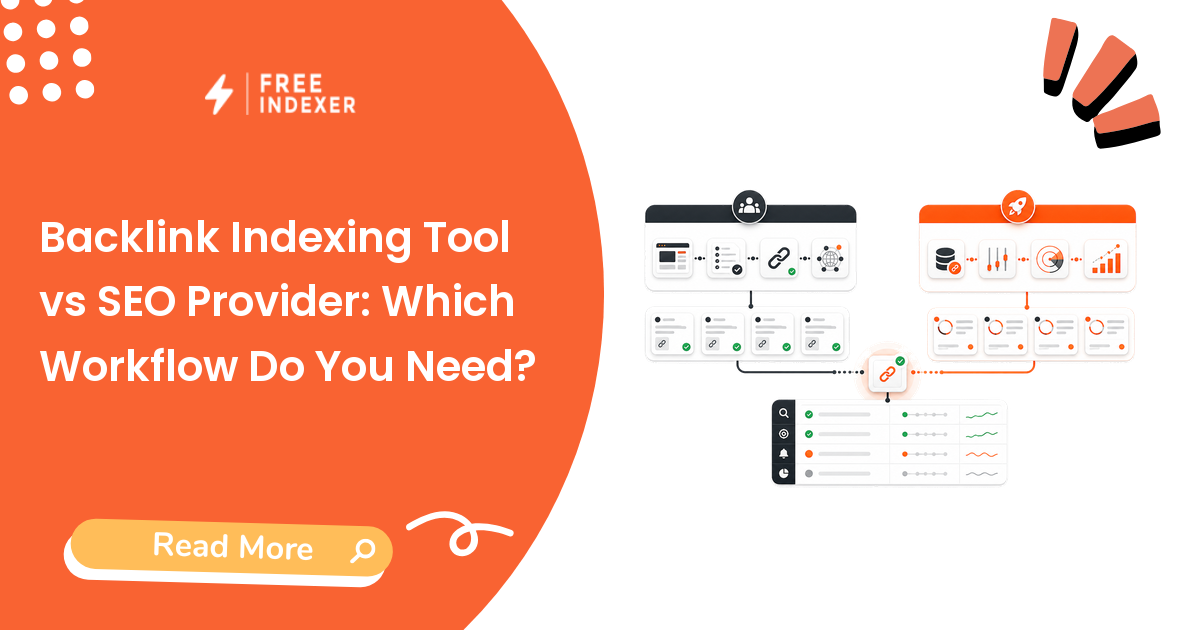
Comparison Table
| Option | Best for | Strength | Limitation |
|---|---|---|---|
| Manual checks and submission | Small sites and diagnostics | Simple, direct, useful for owned URLs | Does not scale well |
| Free URL indexer | Website owners and low-volume users | Easy starting point | Limited capacity and workflow depth |
| FreeIndexer online app | Website owners, affiliates, agencies | Repeatable URL/backlink submission workflow | Still depends on search engine decisions |
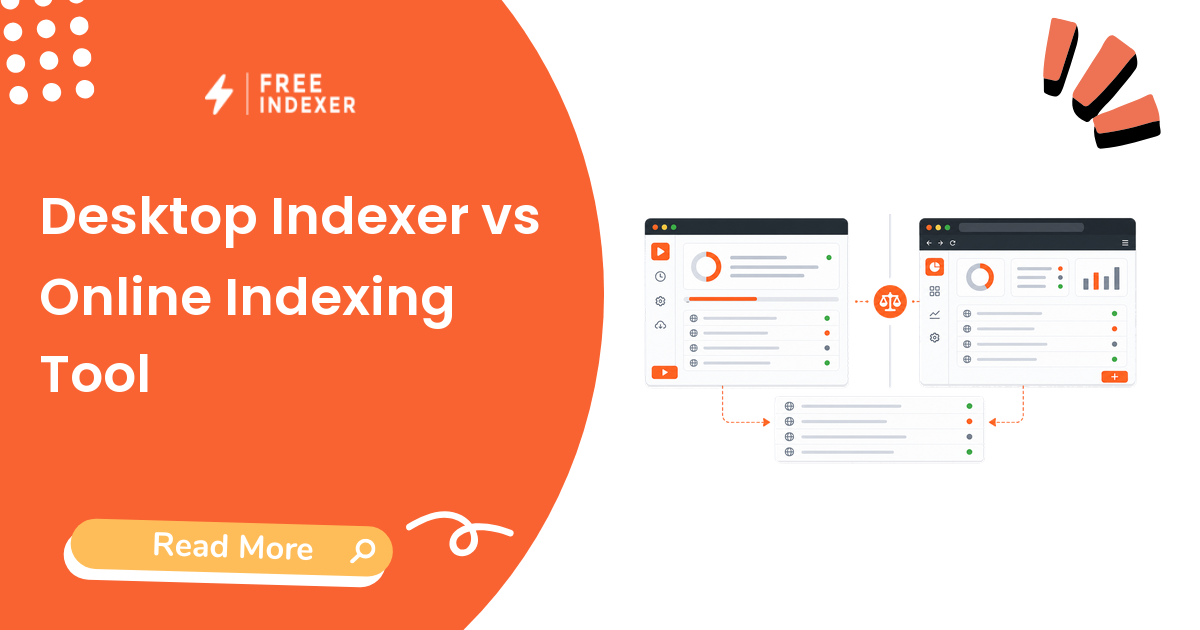
| FreeIndexer desktop app | List-heavy operators | Local workflow for repeated URL lists | Less suitable for teams that need shared browser access |
| Indexing API-style workflow | technical teams and large systems | Custom integration and automation | Requires engineering and maintenance |
| Full SEO platform | teams needing crawling/reporting suites | Broader SEO visibility | May be expensive or more than indexing requires |
Best For Website Owners
Website owners usually need simplicity. The best tool is the one they will actually use after publishing important pages.
A good workflow:
- publish the page
- check indexability
- add internal links
- submit the URL
- check later
FreeIndexer fits here because it keeps the submission step simple. If you want more detail for this use case, read faster Google indexing for website owners.
Best For SEO Agencies
Agencies need repeatability. They manage multiple clients, so indexing work should be tracked by client, URL type, submission date, and later status.
FreeIndexer is a fit when the agency wants a low-cost operational layer for client URLs and backlinks. The key is not claiming outcomes to clients. The key is documenting the workflow and reporting honestly.
For the agency process, read the agency indexing workflow.
Best For Programmatic SEO Builders
Programmatic SEO builders need prioritization more than raw submission enthusiasm. Submitting every generated URL without quality checks can waste capacity and hide deeper problems.
The right workflow tiers URLs by business value, checks templates, submits high-priority batches, and tracks outcomes.
FreeIndexer can support this process as the submission layer. If you need a custom integration tied directly into your publishing system, compare that path in FreeIndexer vs indexing API.
Best For Backlink-Heavy Workflows
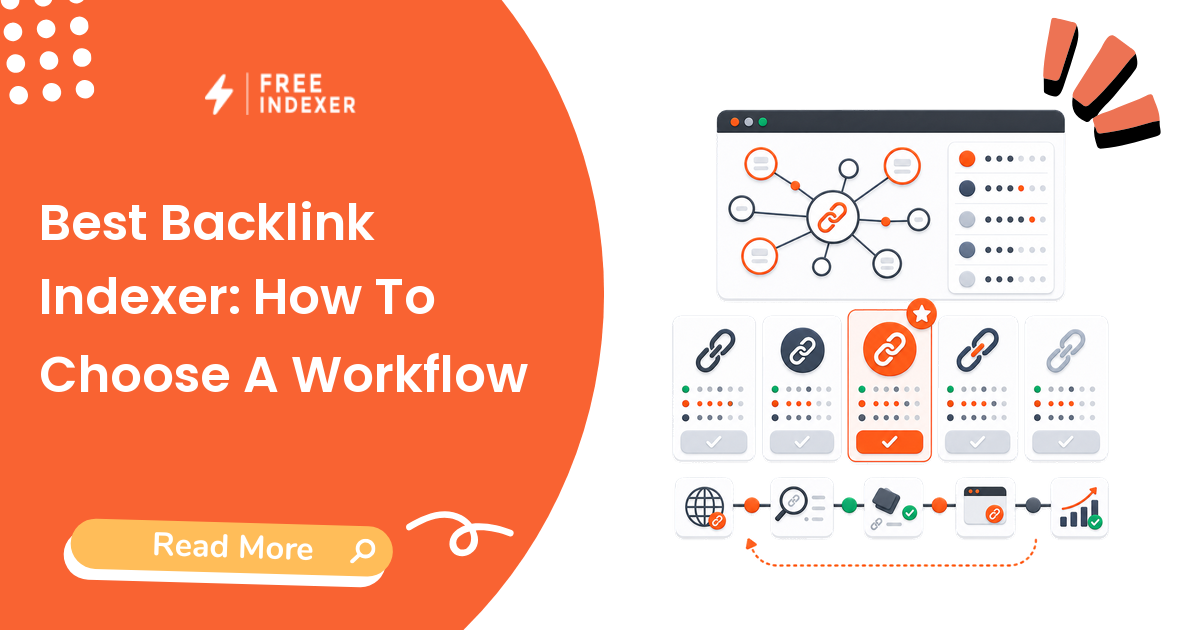
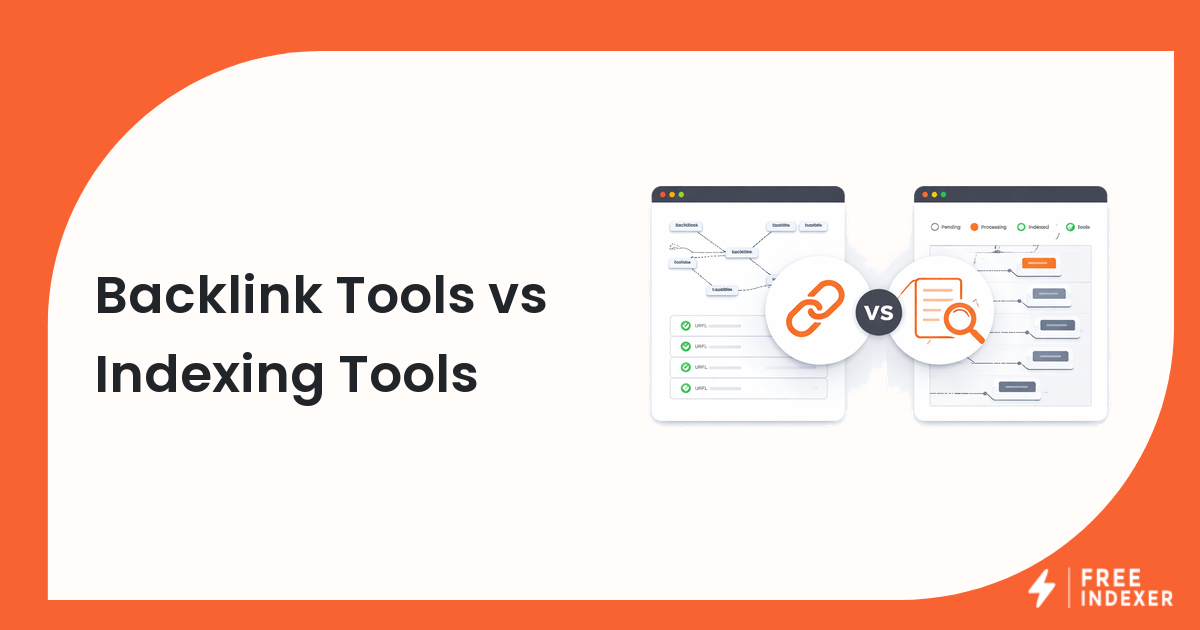
Affiliate marketers, blog owners, and agencies often care about backlink discovery. In that case, the best indexing tool is one that supports repeated list submission and tracking.
FreeIndexer can fit online workflows and desktop workflows. The desktop app may be useful if you repeatedly work with URL exports or backlink lists.
Keep expectations clean: backlink submission can support discovery, but search engines decide what they crawl, index, and count.
How To Choose By Daily Volume
Ask three questions:
- How many URLs do I submit in a normal week?
- Are those URLs owned pages, backlinks, or both?
- Do I need a team workflow, desktop workflow, or custom technical integration?
Low volume: start with free or simple online submission.
Moderate volume: choose a plan that matches weekly publishing and backlink activity.
High volume: build a prioritization system before increasing submission capacity.
Technical high volume: compare tool workflows with API-style systems.
Expectations And Limits
No indexing tool controls Google. A good tool improves the submission workflow. It does not replace crawlability, internal links, page quality, or search engine judgment.
If a vendor claims that every submitted URL will be indexed, treat that claim carefully. The honest goal is faster and more organized discovery support.
Score The Workflow Before The Tool
Use a scorecard before paying for more capacity:
| Requirement | Manual inspection | Online indexing tool | Desktop workflow | Custom API workflow |
|---|---|---|---|---|
| One-off diagnostics | Strong | Moderate | Weak | Depends on implementation |
| Repeat URL batches | Weak | Strong | Strong | Strong |
| Backlink list handling | Limited | Strong | Strong | Custom |
| Team accessibility | Moderate | Strong | Operator-focused | Requires internal tooling |
| Engineering effort | Low | Low | Low | High |
| Custom publishing integration | Limited | Limited | Limited | Strong |
Then ask the operational questions that feature lists often miss:
- Can the team remove redirects, duplicates, noindex pages, and low-value URLs before submission?
- Is there a durable record of the batch, date, operator, and later evidence?
- Can the workflow separate owned pages from backlink source URLs?
- Does the tool encourage realistic reporting rather than guaranteed outcomes?
- Can the team start small and increase capacity only when the queue is clean?
The FreeIndexer vs indexing API comparison is useful when the main decision is build versus buy. The agency indexing workflow shows how the submission layer fits into client operations.
A larger quota is not automatically a better purchase. The better tool fits the team's real volume, quality-control process, ownership model, and reporting obligations.
FAQ
What is the best Google indexing tool?
The best tool depends on volume and workflow. FreeIndexer is a practical fit for users who want a low-cost URL and backlink submission workflow.
Do indexing tools guarantee results?
No tool can control search engine indexing decisions. Tools can support discovery and submission.
Is manual submission enough?
It can be enough for a very small site. It becomes inefficient for agencies, affiliates, and teams with many URLs.
Should I use an API instead of a tool?
Use an API-style workflow if you need custom automation and have engineering resources. Otherwise, a managed tool is usually simpler.
Can FreeIndexer help with backlinks?
FreeIndexer is positioned for URL and backlink indexing workflows. Use it for known, relevant backlinks and track submissions honestly.
Next Step
Compare FreeIndexer with your current indexing workflow. If manual submission is slowing you down, start with the online app or choose a plan that matches your daily volume.