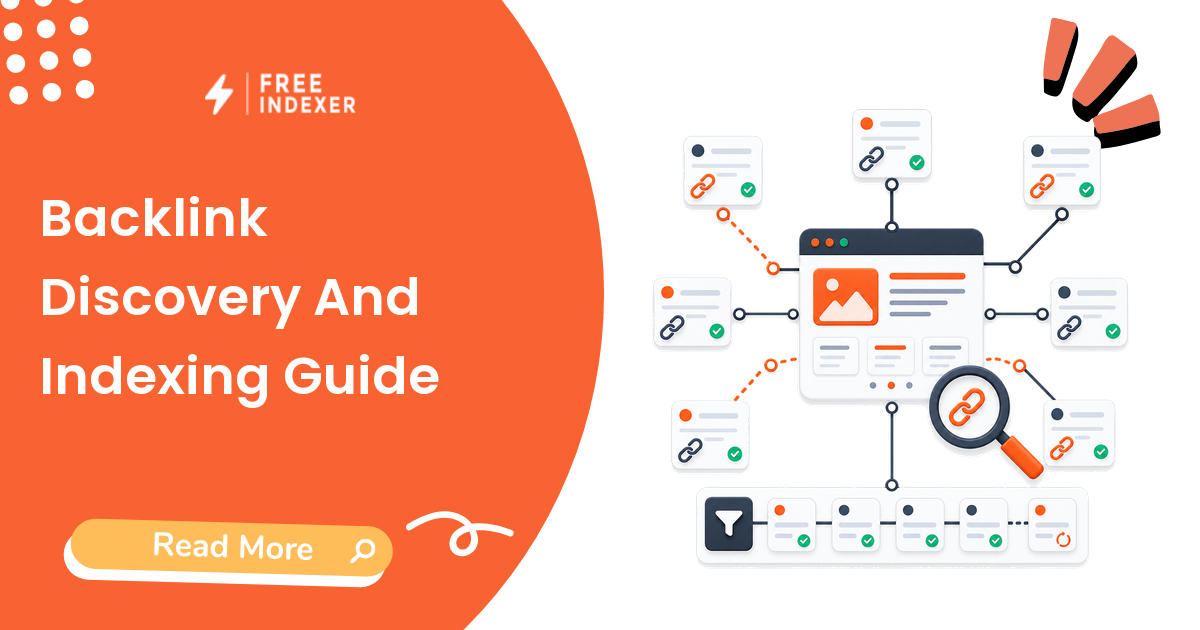
Backlinks can only help after they are discoverable. If a link exists on a page that search engines rarely crawl, or if the linking page is weak, blocked, or disconnected, the link may take longer to be found.
The right approach is not a backlink blast. It is a clean discovery workflow: collect known links, qualify them, prioritize the useful ones, and submit or support them in a way that fits your SEO process.
If you need the broader crawling and indexing foundation first, start with the indexing education hub. If you are comparing tools for this workflow, use best Google indexing tools after you understand which links actually deserve follow-up.
Backlinks And Discovery Series
This is the visible hub for the Backlinks And Discovery series. It is for affiliate marketers and seo agencys who want a guided path instead of disconnected articles.
What You Will Learn
- How the topic works from foundation to execution.
- Which checks matter before using tools, providers, or reporting workflows.
- How to prioritize URLs, content, backlinks, campaigns, or platform pages.
- How to connect each article to the next step in the workflow.
Recommended Reading Order
- Backlink Discovery And Indexing Guide - Series hub
- Backlink Quality Before Indexing - Cluster guide
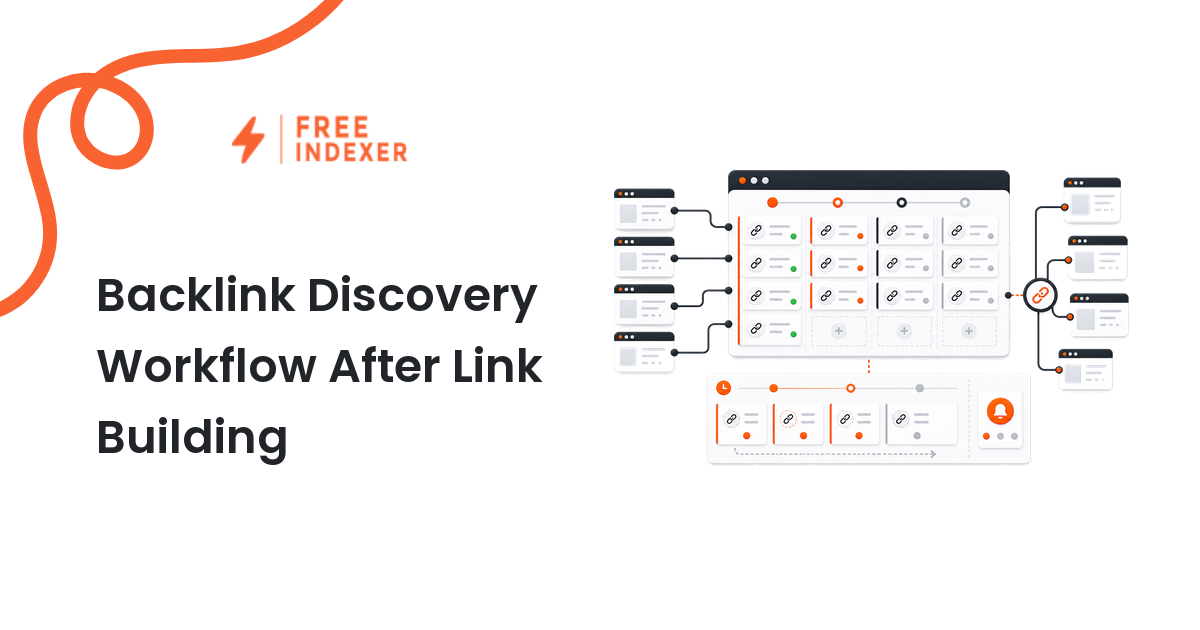
- Backlink Discovery Workflow After Link Building - Cluster guide
- Link-Building Provider Checklist - Cluster guide
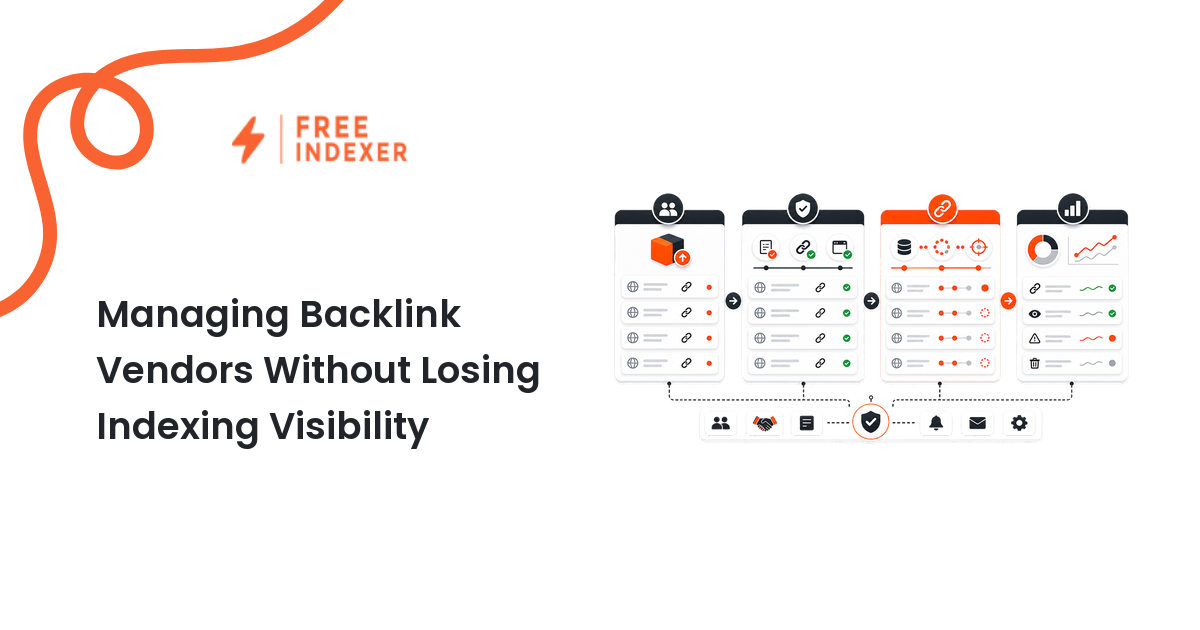
- Managing Backlink Vendors Without Losing Indexing Visibility - Cluster guide
- Track Backlink Discovery For SEO Campaigns - Cluster guide
- Backlink Reporting Template For Agencies - Cluster guide
- Affiliate Backlink Tracking Workflow - Cluster guide
Article Sequence
| Part | Article | Role |
|---|---|---|
| 1 | Backlink Discovery And Indexing Guide | Hub |
| 2 | Backlink Quality Before Indexing | Cluster |
| 3 | Backlink Discovery Workflow After Link Building | Cluster |
| 4 | Link-Building Provider Checklist | Cluster |
| 5 | Managing Backlink Vendors Without Losing Indexing Visibility | Cluster |
| 6 | Track Backlink Discovery For SEO Campaigns | Cluster |
| 7 | Backlink Reporting Template For Agencies | Cluster |
| 8 | Affiliate Backlink Tracking Workflow | Cluster |
Where FreeIndexer Fits
FreeIndexer fits when the reader has verified URLs, backlinks, or page batches that are ready for repeatable discovery follow-up and tracking.
Where SEOeStore Fits
SEOeStore may appear in this series only where the workflow involves managed SEO execution, campaign services, provider handoff, or link-building vendor QA. It remains a provider layer, separate from FreeIndexer.
Next Step
Start with this hub, then follow the reading order above. Each cluster article links back here and points to the previous and next article in the sequence.
The Short Answer
Backlink discovery is the process of helping search engines find pages that contain links to your site. Backlink indexing is often used as shorthand, but no tool can force a search engine to index a linking page.
What you can do is make the best known backlinks easier to discover, avoid wasting time on poor links, and keep a repeatable workflow for links that matter.
When This Matters
This matters for affiliate marketers, SEO agencies, content site owners, and blog/network owners who regularly create or earn links.
It is especially useful when:
- a campaign has new supporting links
- client reporting needs a clean discovery workflow
- affiliate money pages depend on supporting content
- guest posts or partner mentions are live but not discovered yet
- a team manages large link lists across multiple sites
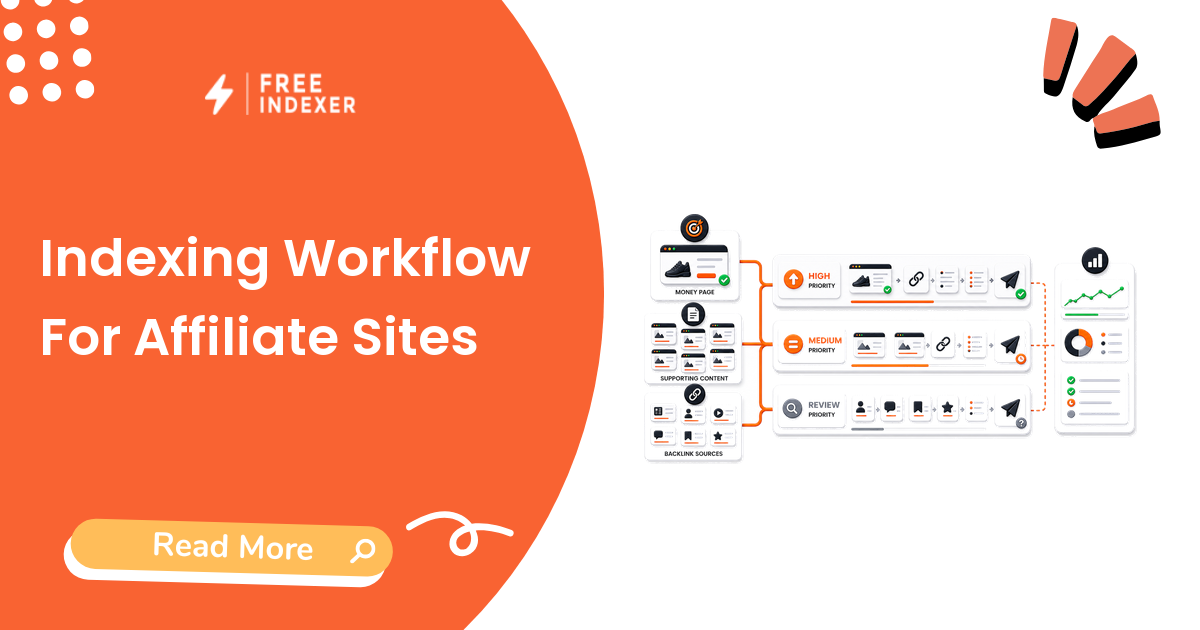
If you run affiliate campaigns, also read the indexing workflow for affiliate sites. Agencies can use the agency indexing workflow for client process design.
Start With Known Links
A backlink workflow starts with a list of known linking URLs. These are pages where the link already exists and can be checked.
Useful sources include:
- outreach records
- guest post placements
- partner pages
- internal campaign sheets
- SEO tool exports
- content network lists
- newly published support articles
Do not start by submitting random URLs. Start with links you can verify and explain.
Qualify The Linking Page
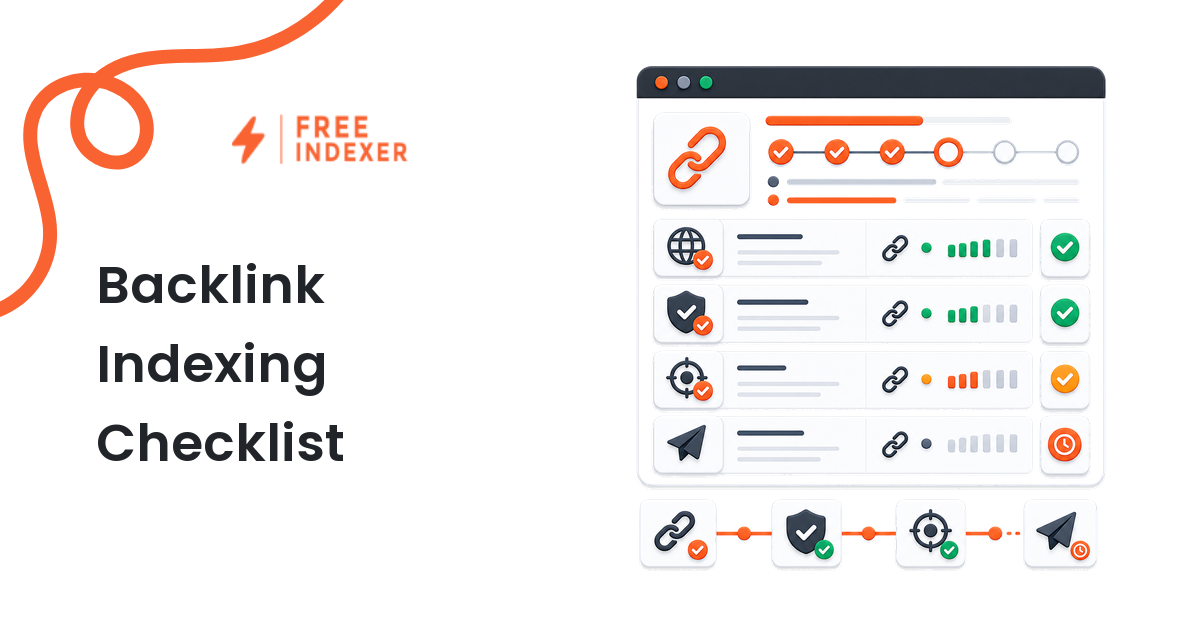
Not every backlink deserves the same attention. Before submitting or tracking a link, check whether the linking page itself is worth discovery.
Review:
- whether the page is live
- whether it returns a 200 status
- whether it is indexable
- whether it has visible content
- whether the link is present on the page
- whether the page is relevant enough to matter
- whether the page is spammy, thin, or disposable
If the linking page is blocked, broken, or obviously low-value, adding it to a submission queue may only create noise.
Prioritize Links By Value
A clean backlink discovery workflow uses tiers.
Priority links usually include:
- links from relevant guest posts
- partner pages
- strong editorial mentions
- important campaign links
- links that support high-value landing pages
- new backlinks created as part of a legitimate SEO workflow
Lower-priority links include:
- weak scraped pages
- irrelevant low-quality pages
- duplicated pages
- pages that are blocked or noindexed
- links you cannot verify
The point is to focus effort where discovery could realistically matter.
Support Discovery With Better Signals
Submission is only one part of discovery. The linking page is easier to find when it is connected to other crawlable pages.
Depending on what you control, you can:
- make sure the linking page is included in a sitemap
- link to the page from relevant internal pages
- avoid orphaned support content
- use clean canonical tags
- keep the page accessible without login or blocked scripts
- avoid accidental noindex directives
For pages on sites you do not control, you may not be able to fix these signals. In that case, focus on the links you can verify and track.
Use A Repeatable Submission Workflow
Once you have a qualified list, submit links in batches. Keep the workflow simple:
- collect known linking URLs
- verify the link exists
- remove broken, blocked, or low-quality URLs
- group links by campaign or client
- submit priority links
- track later without promising exact outcomes
FreeIndexer fits this part of the workflow. It can help you submit backlink URLs and priority pages in a repeatable queue instead of handling every URL manually.
What To Track
Track enough to make the workflow useful, but avoid pretending you control search engine decisions.
Useful tracking fields include:
- linking URL
- target URL
- campaign or client
- date found
- date submitted
- status notes
- whether the linking page is live
- whether the link is still present
For agencies, this creates a cleaner report. You can show that the backlink was verified, submitted, and monitored without promising indexing or ranking movement.
Common Mistakes
Avoid these mistakes:
- submitting unverified backlink lists
- treating every backlink as equally valuable
- resubmitting the same bad URLs repeatedly
- using absolute indexing promises in reports
- ignoring whether the linking page is crawlable
- focusing on quantity instead of link quality and relevance
Backlink discovery works best when it is organized, selective, and tied to real SEO priorities.
Part Of This Series
This article is part of the Backlink Discovery And Indexing Guide series.
Recommended path:
- Previous: Start here
- Current: Backlink Discovery And Indexing Guide
- Next: Backlink Quality Before Indexing
Series hub: Backlink Discovery And Indexing Guide
Related guides from other workflows:
FAQ
Can backlink indexing be promised?
No. Tools and workflows can help with discovery, but search engines decide whether a linking page is indexed.
Should every backlink be submitted?
No. Prioritize verified, relevant, live backlinks that support important pages or campaigns.
What if I do not control the linking page?
You can verify the link, submit the linking URL, and track it. You may not be able to fix crawlability or quality issues on that site.
Is backlink discovery useful for affiliate SEO?
Yes, especially when affiliate campaigns depend on supporting content and known backlinks being discovered.
How does FreeIndexer fit?
FreeIndexer can be used as the submission layer for qualified backlink URLs and priority pages after you build a clean list.
Next Step
Build a verified backlink list first. Remove low-quality or broken URLs, then submit the links that are worth tracking.