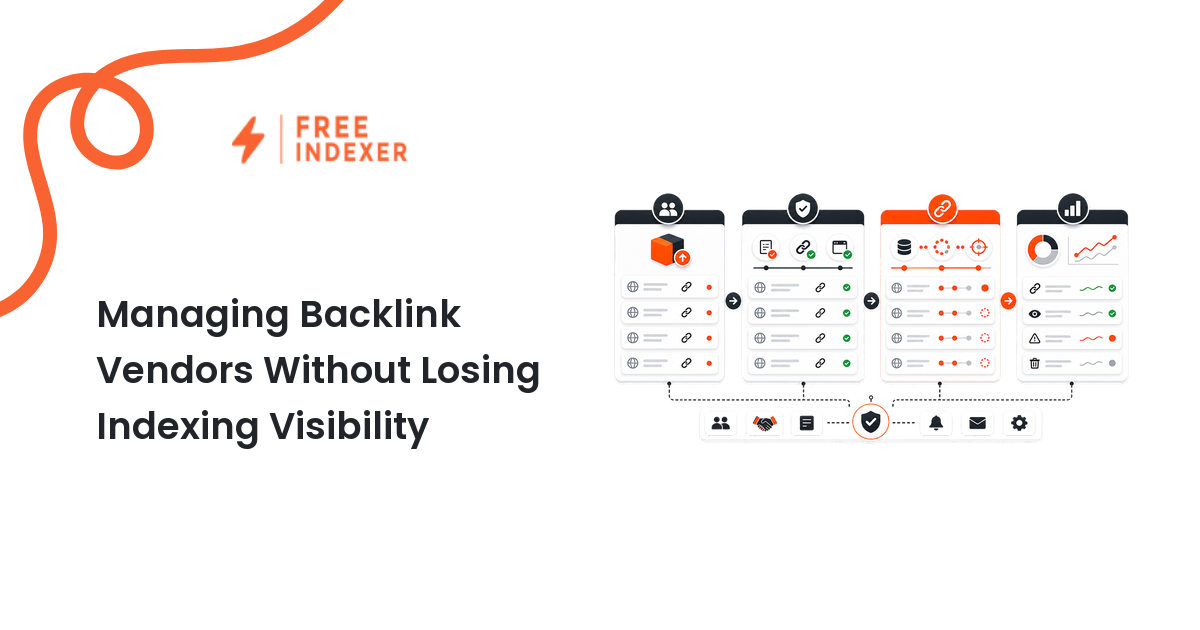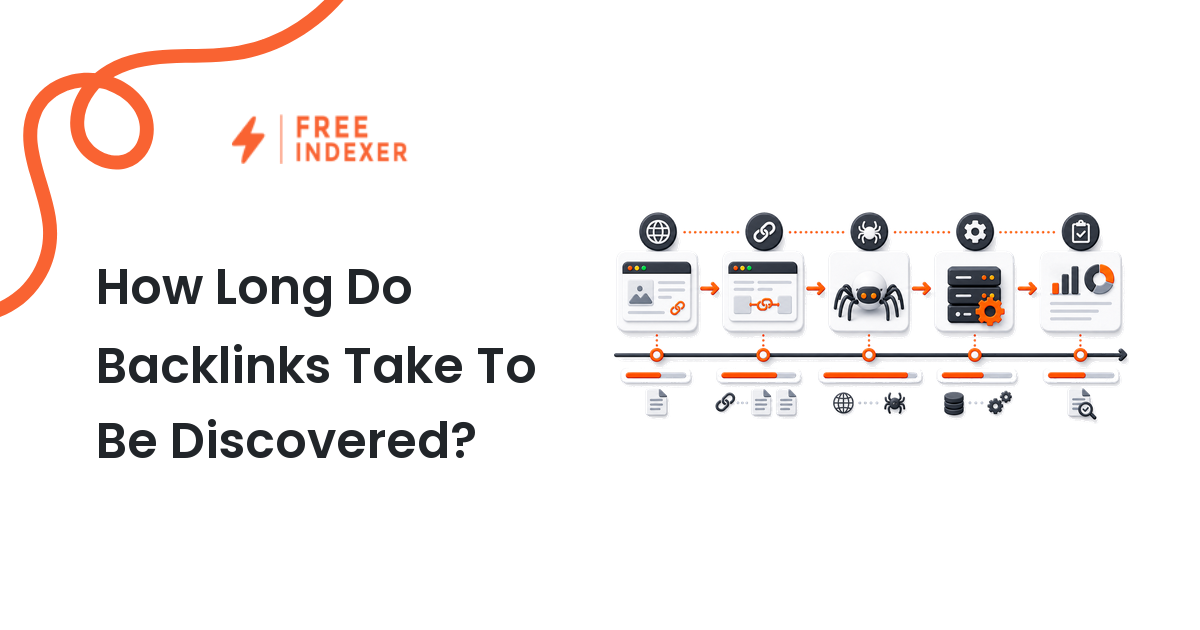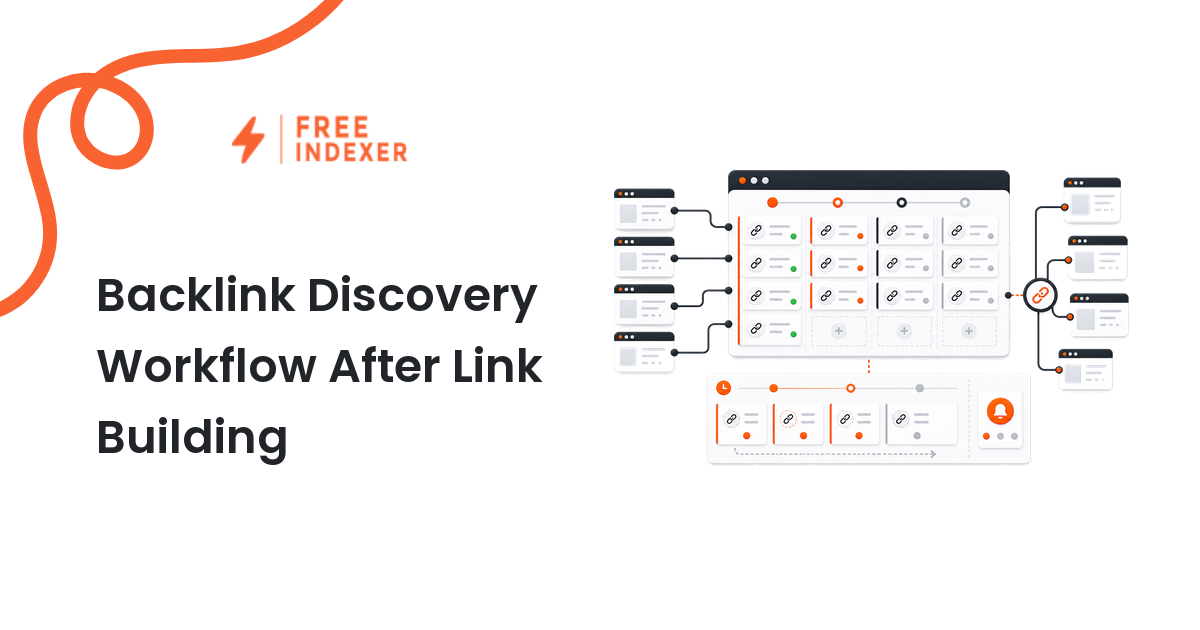
Link building is not finished when the placement goes live. Agencies still need to verify the link, record the target page, prioritize the backlink URL, and decide what follow-up belongs in the discovery workflow.
For the broader search discovery model, start with the indexing education hub. This guide focuses on the post-placement stage: what an SEO agency should do after a link-building task is marked complete.
The Short Answer
A backlink discovery workflow after link building should do four things:
- Confirm the linking page is live and accessible.
- Confirm the backlink is present, visible, and points to the intended target URL.
- Tier the backlink by value, relevance, and campaign importance.
- Track any submission or follow-up work without promising indexing or ranking outcomes.
This keeps reporting clean. The agency can say, "We verified these placements, prioritized these URLs, submitted or tracked these links, and will monitor discovery signals." That is much stronger than saying, "All links are indexed," when no workflow can guarantee that.
Post-Link-Building Verification Checklist
Before a backlink URL enters a discovery queue, check:
- The linking page returns a final
200status. - The page is not blocked behind login, preview mode, or a staging URL.
- The link is visible in the rendered page.
- The link points to the intended final target URL, not an outdated redirect.
- The anchor text matches the campaign record.
- The linking page is not marked
noindexif discovery is expected. - The page is not an obvious duplicate, empty post, or broken vendor artifact.
- The placement is assigned to the correct client, campaign, and target page.
- The agency has a screenshot, crawl record, or timestamp for verification.
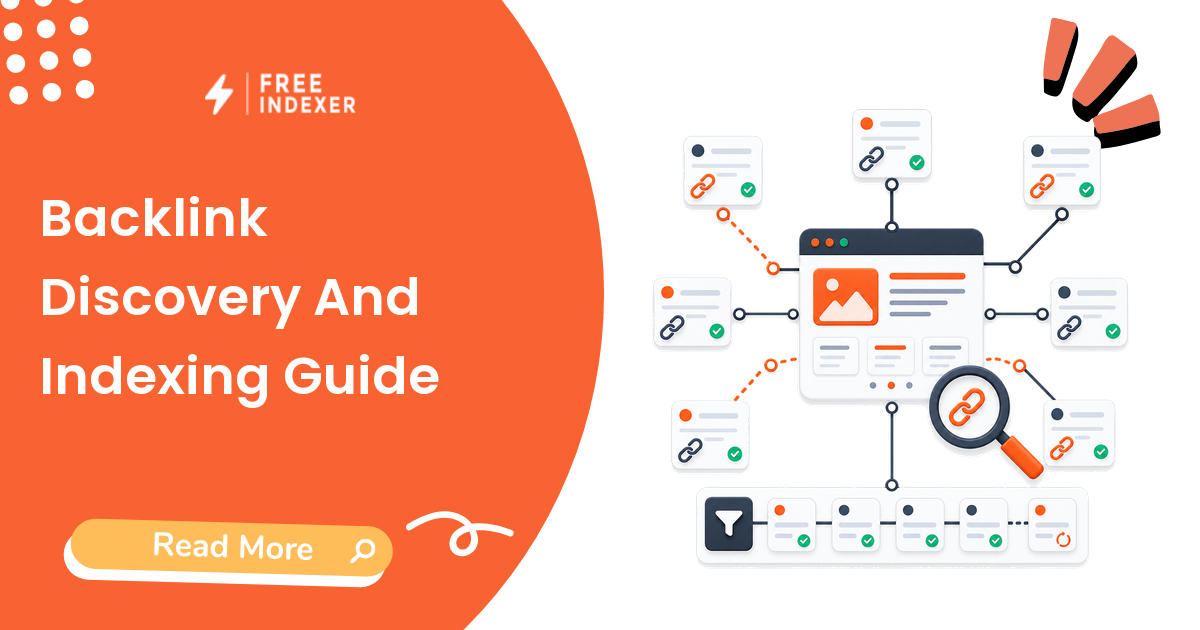
Use the backlink discovery and indexing guide for the full backlink discovery background, then use this checklist as the handoff from outreach or vendor work to operations.
Backlink Priority Tiers
| Tier | Example backlink | Discovery action |
|---|---|---|
| Tier 1 | Relevant editorial placement pointing to a client money page | Verify, submit or track, and include in follow-up reporting |
| Tier 2 | Supporting content link pointing to a blog or resource page | Track in campaign queue and monitor periodically |
| Tier 3 | Lower-value but legitimate citation or profile link | Record and monitor only if campaign process requires it |
| Exclude | Broken page, hidden link, wrong target, blocked page, or irrelevant placement | Send back for repair or remove from reporting |
The goal is not to push every backlink equally. A verified, relevant placement deserves more attention than a weak or broken URL.
Example Backlink Scenario
Suppose an agency finishes a campaign for a SaaS client. The delivery sheet has these rows:
| Linking URL | Target URL | Verification result | Next step |
|---|---|---|---|
https://exampleblog.com/best-inventory-tools/ |
/inventory-management-software/ |
Live, visible, relevant | Tier 1 discovery queue |
https://partner.example/resources/vendors/ |
/integrations/partner-name/ |
Live but wrong target | Correct target before follow-up |
https://example.net/post-123-preview/ |
/pricing/ |
Preview URL, not public | Return to vendor |
https://directory.example/profile/client |
homepage | Live, low priority | Record, monitor only |
The first URL can move forward. The second needs repair. The third should not be reported as a completed public placement. The fourth may be worth recording but probably does not deserve the same follow-up as the editorial placement.
Teams that outsource part of their SEO workflow can use an SEO provider such as SEOeStore for managed SEO or link-building tasks, then keep backlink verification and indexing follow-up in a separate workflow. That separation helps the agency avoid mixing provider delivery with search discovery outcomes.
Tool And Process Recommendation
Use one source of truth for backlink operations. A simple sheet can work if it includes:
- client
- campaign
- linking URL
- target URL
- anchor
- verification date
- priority tier
- submitted or tracked date
- follow-up status
- notes
For agencies handling multiple clients, a repeatable queue matters more than a beautiful dashboard. FreeIndexer fits when the agency has verified backlink URLs that deserve submission, tracking, or repeated discovery operations. Use it after verification, not as a way to excuse bad placements.
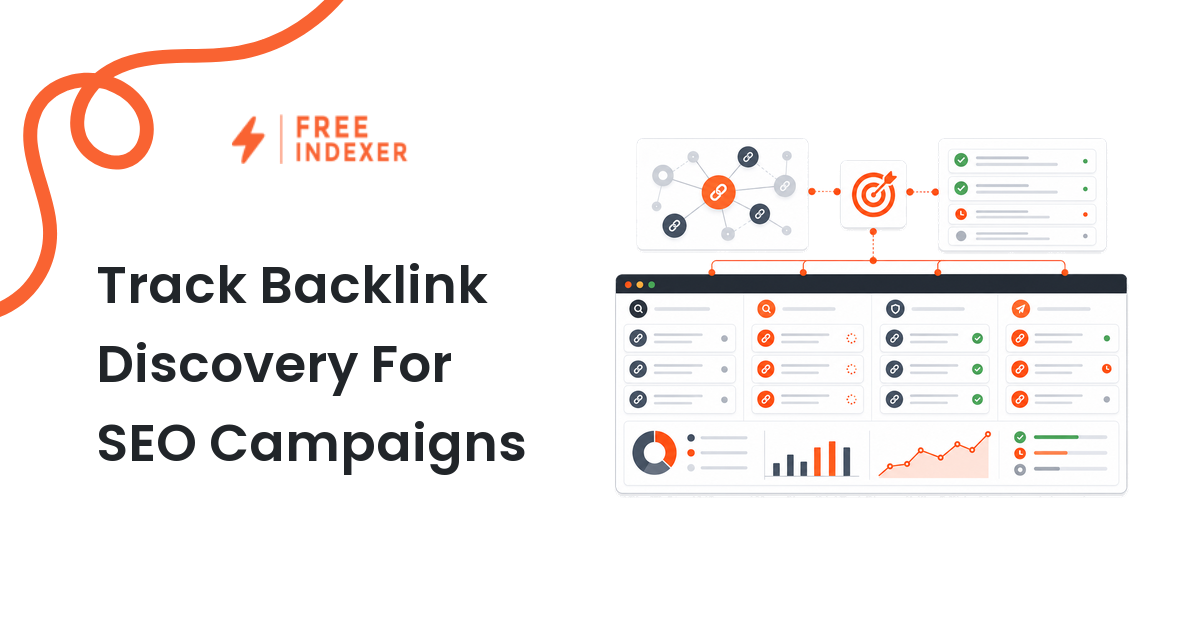
For more reporting detail, read backlink indexing checklist and track backlink discovery for SEO campaigns. Agencies can also connect the process to a broader search discovery workflow for SEO agencies.
Common Mistakes
- Accepting vendor delivery sheets without opening the linking URLs.
- Submitting preview URLs, redirected URLs, or pages where the link is missing.
- Treating every backlink as equal priority.
- Reporting discovery follow-up as a certain indexing outcome.
- Mixing link-building quality review with indexing follow-up so no one owns either task.
What To Do Next
| If you find this | Do this |
|---|---|
| Link is live and valuable | Add it to the priority discovery queue |
| Link is live but low value | Record it and monitor if needed |
| Link target is wrong | Request correction before follow-up |
| Linking page is blocked or not public | Return it to the provider or outreach owner |
| Link is missing | Do not submit; mark placement incomplete |
FAQ
Should every new backlink be submitted for discovery?
No. Verify the backlink first and prioritize links that are live, relevant, visible, and tied to a real campaign goal.
Can backlink discovery work guarantee indexing?
No. Discovery workflows can help search engines find or revisit URLs, but search engines decide what they crawl, index, and count.
When should an agency mention FreeIndexer?
Mention it when the agency has verified backlink URLs that need organized submission, tracking, or repeat follow-up. Do not use it as a replacement for backlink quality checks.
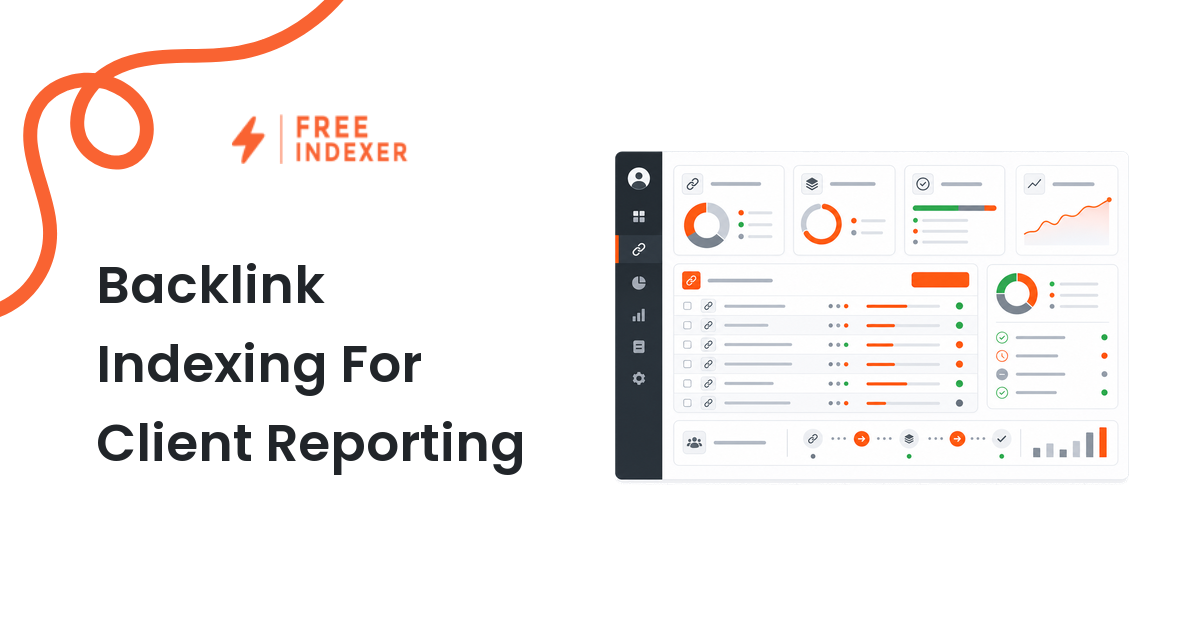
What should a client report include?
Separate verified placements, discovery actions, and observed outcomes. That keeps the report accurate and easier to defend.
Next Step
Verify, tier, and track completed backlinks before submitting them for discovery. Clean backlink operations make client reporting stronger and keep discovery follow-up focused on links that deserve attention.