Google Search Console Playbook should answer one practical question: how should webmasters handle Google Search Console playbook without drifting into vague SEO advice?
This guide is part of the Google Search Console Playbook series. It is written for webmasters, with seo operators as the secondary reader when that workflow overlaps.
Related reading in this workflow:
- Google Search Console Indexing Guide
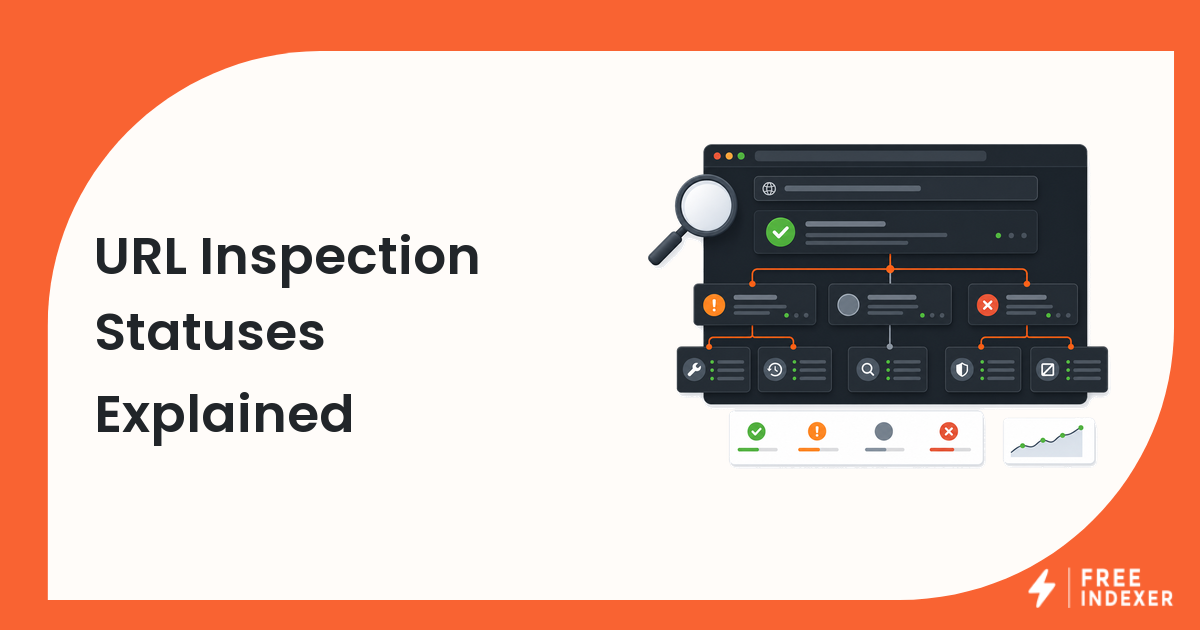
- URL Inspection Statuses Explained
- Search Console Sitemap Errors
Google Search Console Playbook Series
This is the visible hub for the Google Search Console Playbook series. It is for webmasters and seo operators who want a guided path instead of disconnected articles.
What You Will Learn
- How the topic works from foundation to execution.
- Which checks matter before using tools, providers, or reporting workflows.
- How to prioritize URLs, content, backlinks, campaigns, or platform pages.
- How to connect each article to the next step in the workflow.
Recommended Reading Order
- Google Search Console Playbook - Series hub
- URL Inspection Decision Tree - Cluster guide
- Pages Report Troubleshooting Workflow - Cluster guide
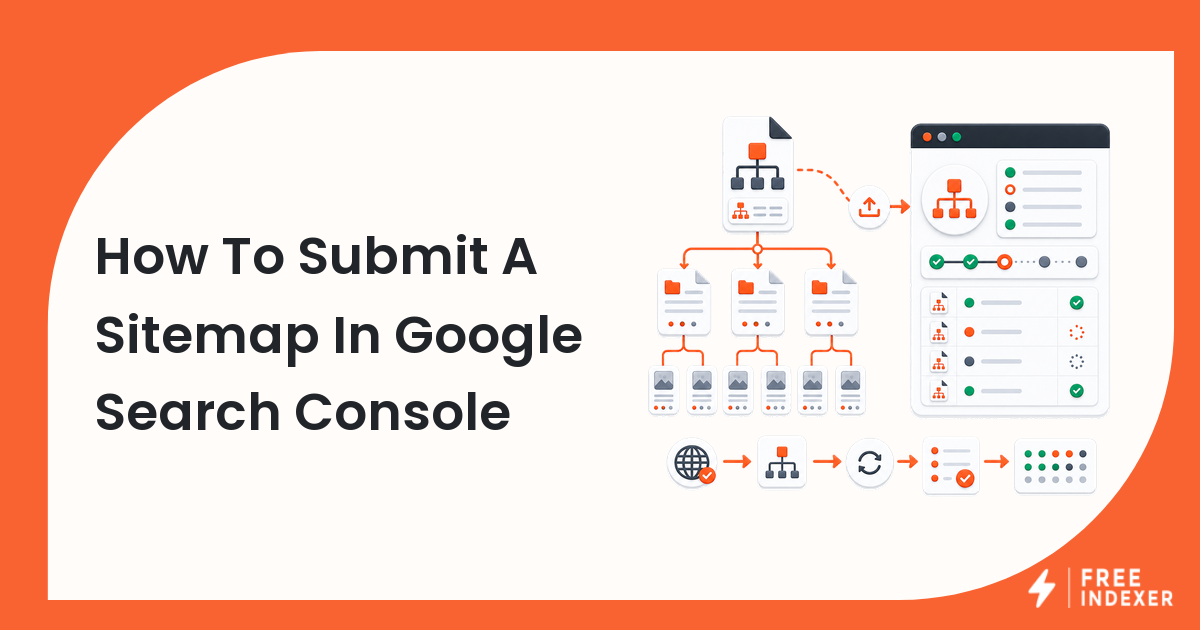
- Submit Sitemap In Google Search Console - Cluster guide
- Validate Fix In Search Console - Cluster guide
- Fixing Discovered Currently Not Indexed - Cluster guide
- Fixing Crawled Currently Not Indexed - Cluster guide
- GSC Client Reporting Workflow - Cluster guide
Article Sequence
| Part | Article | Role |
|---|---|---|
| 1 | Google Search Console Playbook | Hub |
| 2 | URL Inspection Decision Tree | Cluster |
| 3 | Pages Report Troubleshooting Workflow | Cluster |
| 4 | Submit Sitemap In Google Search Console | Cluster |
| 5 | Validate Fix In Search Console | Cluster |
| 6 | Fixing Discovered Currently Not Indexed | Cluster |
| 7 | Fixing Crawled Currently Not Indexed | Cluster |
| 8 | GSC Client Reporting Workflow | Cluster |
Where FreeIndexer Fits
FreeIndexer fits when the reader has verified URLs, backlinks, or page batches that are ready for repeatable discovery follow-up and tracking.
Where SEOeStore Fits
SEOeStore is not a primary part of this series unless the reader later needs managed SEO or provider execution outside the article topic.
Next Step
Start with this hub, then follow the reading order above. Each cluster article links back here and points to the previous and next article in the sequence.
The Short Answer
Informational. The useful approach is to define the exact promise of the page or campaign, inspect the real workflow signals, prioritize the assets that matter, and document the next action before reporting progress.
For this topic, the working asset is Search Console URLs. A good workflow keeps planning, execution, verification, discovery follow-up, and reporting separate enough that the team can see what actually changed.
Workflow Map
| Stage | What to do |
|---|---|
| Planning | Define the target reader, target URL set, and reason this work matters. |
| Diagnosis | Check Search Console URLs, technical signals, usefulness, ownership, and reporting fields. |
| Prioritization | Choose the pages, backlinks, campaigns, or tasks that deserve attention first. |
| Follow-up | Record the next action, owner, date, and evidence before reporting progress. |
Practical Checklist
- inspect the exact URL and final canonical.
- compare URL Inspection with the Pages report pattern.
- review sitemap status, crawl messages, and indexing reason.
- separate one-page issues from template-wide issues.
- write the next action before requesting any validation or follow-up.
Decision Table
| If you see this | Do this next |
|---|---|
| The asset is important but not verified | Check the exact URL, owner, source, and expected business role before moving it forward |
| The pattern affects many URLs | Fix the template, process, or campaign source before handling individual rows |
| The item is live but weak | Improve usefulness, internal links, relevance, or proof before follow-up |
| The item is verified and high priority | Add it to the next tracked workflow queue with a date and owner |
| Reporting is unclear | Separate deliverables, verification, discovery signals, traffic, and conversions |
Example Workflow
A client has 40 pages in a similar indexing status. The operator checks one sample URL, confirms a template issue, fixes the template, then validates the pattern instead of treating all 40 as separate problems.
In a real team, this should become a small operating board: target URL, source, owner, status, verification note, priority, follow-up date, and reporting note. That structure keeps Google Search Console playbook work from becoming a loose checklist that nobody can audit later.
Common Mistakes
- Reading one Search Console message without checking the live URL, canonical, sitemap, and page template.
- Reporting a task as complete before the asset is verified.
- Treating every URL, backlink, campaign task, or page as equal priority.
- Mixing technical discovery, content quality, traffic, and conversions in one vague metric.
- Adding tools before the team has defined the workflow owner and decision rule.
What To Do Next
| Situation | Next action |
|---|---|
| You are starting from scratch | Build a small inventory and define the reader, URL, or campaign goal first |
| You already have data | Group the data by pattern, not by random individual rows |
| You found blockers | Fix crawlability, quality, tracking, or provider handoff before scaling |
| You have verified priority assets | Move them into the right follow-up queue and record the evidence |
| You need reporting | Show what was done, what was verified, and what changed afterward |
Where FreeIndexer Fits
FreeIndexer fits when the team has verified URLs, backlinks, launch pages, or priority lists that deserve repeatable discovery follow-up. It is useful for URL submission, backlink discovery workflows, bulk URL queues, tracking, and prioritization.
It should not replace technical checks, content quality, provider QA, Search Console review, analytics, or conversion work. Use it after the asset is ready enough to deserve attention.
Part Of This Series
This article is part of the Google Search Console Playbook series.
Recommended path:
- Previous: Start here
- Current: Google Search Console Playbook
- Next: URL Inspection Decision Tree
Series hub: Google Search Console Playbook
Related guides from other workflows:
FAQ
Who should use this google search console workflow?
Use it when webmasters need a repeatable way to handle Google Search Console playbook without relying on guesswork or unsupported promises.
What should be checked before follow-up?
Check the exact URL or asset, the source, the technical status, the business priority, the owner, and the reporting note. Weak or unverified items should be fixed before they enter any follow-up queue.
How do I report progress safely?
Report actions, verification, submissions, visibility data, traffic, and conversions separately. That keeps the workflow honest and avoids overstating what any tool, provider, or single action can control.