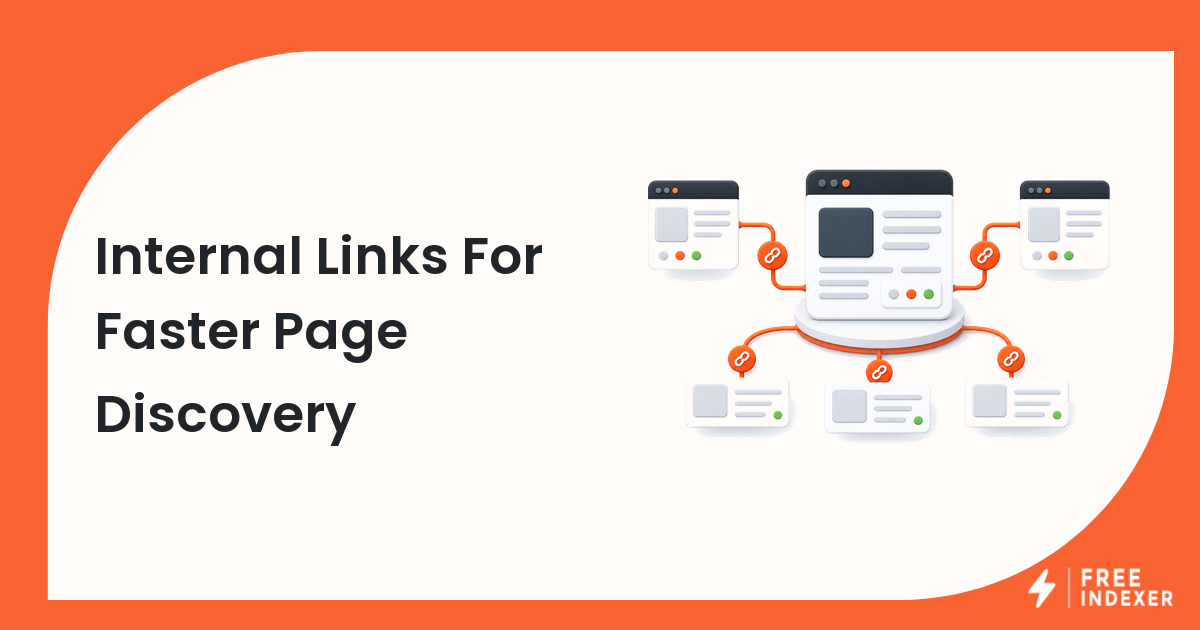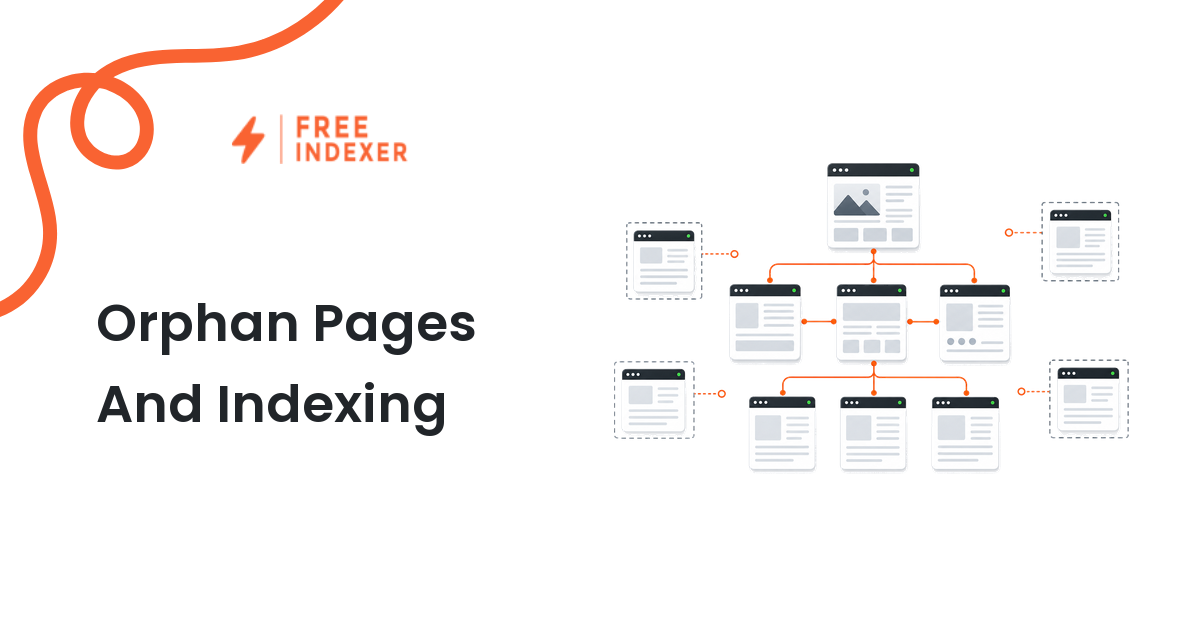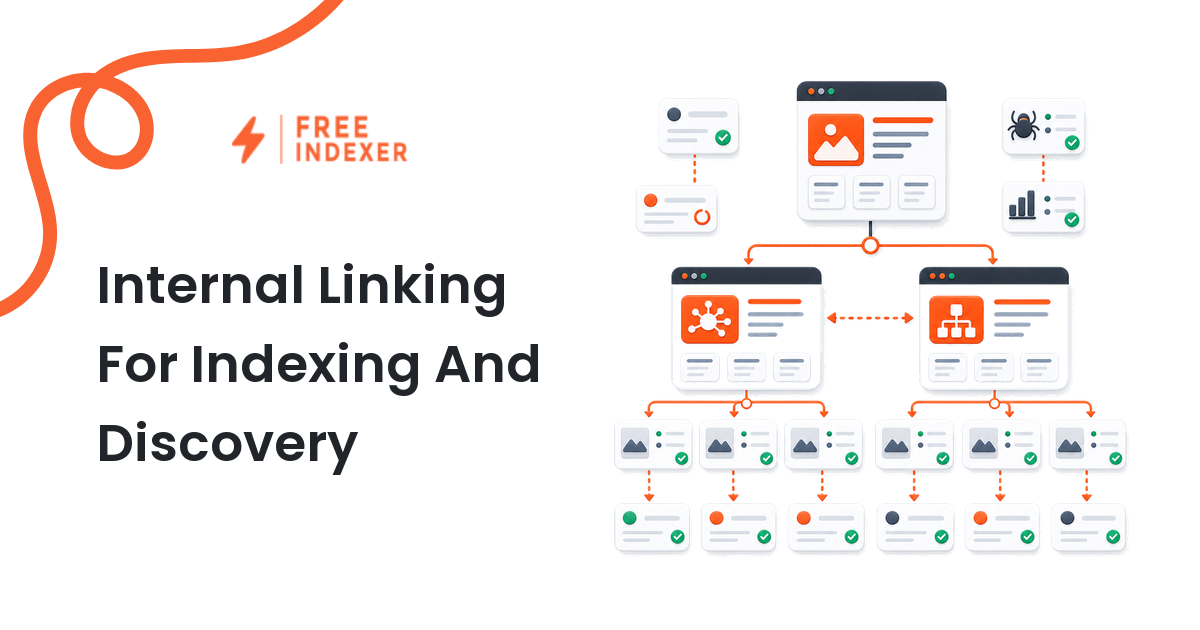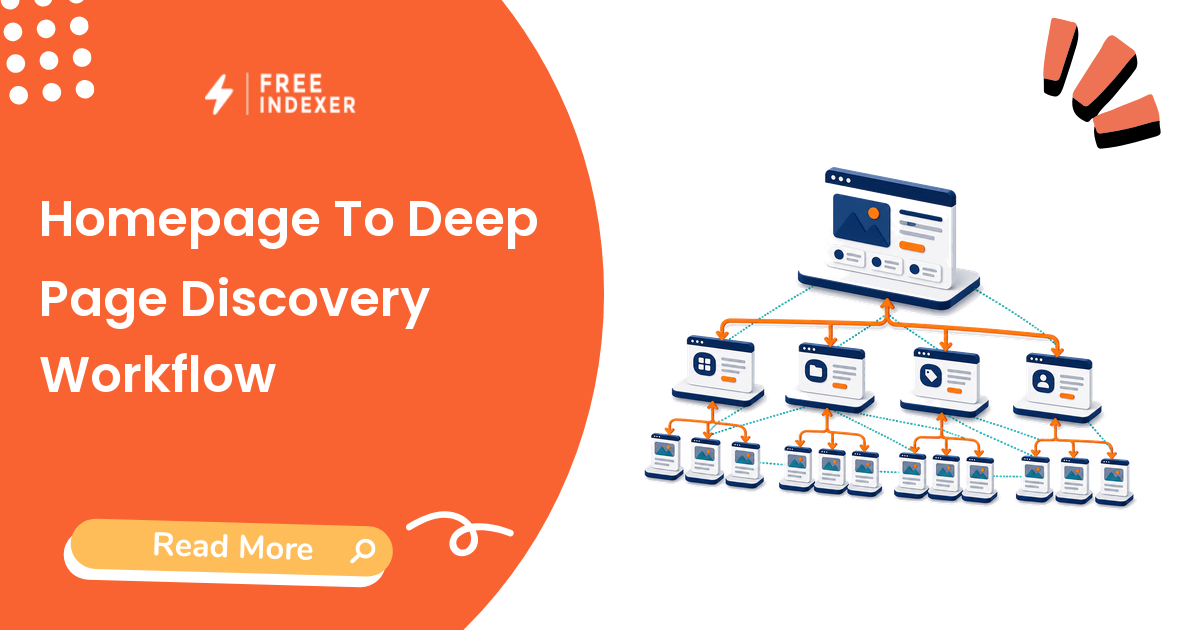
Use homepage, hub, category, and contextual links to help crawlers discover important deep pages without flattening the whole site.
For webmasters, the practical goal is simple: Give important deep pages a crawlable path that matches their business and editorial value.
Related FreeIndexer reading:
The Operating Rule
Deep pages do not all need homepage links, but important deep pages need reachable, relevant paths. A discovery workflow maps how authority and crawler access move from the homepage through hubs, categories, related content, and supporting pages.
Technical Signals To Review
- Priority pages are reachable through crawlable HTML links, not only search boxes, scripts, or sitemaps.
- The link path makes topical sense and helps users, not just crawlers.
- Crawl depth and orphan reports identify pages whose discovery support does not match their value.
- Internal link updates are recorded with the URL cohort and follow-up date.
Implementation And Audit Table
| Step | Control | Evidence | Implementation Decision |
|---|---|---|---|
| 1 | Map priority pages | Revenue, content, product, or campaign importance | Do not optimize link paths for low-value pages first. |
| 2 | Trace click paths | Homepage, hub, category, and related-content routes | Find important pages buried too deeply or orphaned. |
| 3 | Add relevant links | Anchor context and source page quality | Use links that help users understand why the page matters. |
| 4 | Check technical access | Rendered links, robots, canonical, and status code | Confirm crawlers can follow the path. |
| 5 | Monitor evidence | Crawl depth, inspection status, and page cohort notes | Decide whether more architecture work is needed. |
Apply the rule consistently at template or system level. A clean implementation should make the intended page state obvious to users, crawlers, sitemaps, internal links, and reporting tools.
Practical Scenario
A SaaS site has feature pages four clicks from the homepage and absent from related blog posts. The team adds a feature hub, contextual links from comparison articles, and sitemap cleanup. The deep pages now have multiple crawlable paths before entering the submission queue.
Failure Modes To Avoid
- Adding footer links to every page instead of designing relevant discovery paths.
- Assuming sitemap inclusion compensates for orphaned important pages.
- Linking to redirected or noncanonical versions of deep URLs.
- Ignoring pages that are reachable only after client-side filters or search forms.
Where FreeIndexer Fits
FreeIndexer should not replace internal linking. Use it after the site creates a real discovery path for the deep URL cohort.
Implementation Notes For Each Step
1. Map priority pages
Capture revenue, content, product, or campaign importance before making a conclusion. Do not optimize link paths for low-value pages first.
Keep the evidence tied to the exact canonical URL and the date of the check. If the issue affects a shared template or URL pattern, record the pattern as well so the team fixes the system instead of repeating the same manual task.
2. Trace click paths
Capture homepage, hub, category, and related-content routes before making a conclusion. Find important pages buried too deeply or orphaned.
Keep the evidence tied to the exact canonical URL and the date of the check. If the issue affects a shared template or URL pattern, record the pattern as well so the team fixes the system instead of repeating the same manual task.
3. Add relevant links
Capture anchor context and source page quality before making a conclusion. Use links that help users understand why the page matters.
Keep the evidence tied to the exact canonical URL and the date of the check. If the issue affects a shared template or URL pattern, record the pattern as well so the team fixes the system instead of repeating the same manual task.
4. Check technical access
Capture rendered links, robots, canonical, and status code before making a conclusion. Confirm crawlers can follow the path.
Keep the evidence tied to the exact canonical URL and the date of the check. If the issue affects a shared template or URL pattern, record the pattern as well so the team fixes the system instead of repeating the same manual task.
5. Monitor evidence
Capture crawl depth, inspection status, and page cohort notes before making a conclusion. Decide whether more architecture work is needed.
Keep the evidence tied to the exact canonical URL and the date of the check. If the issue affects a shared template or URL pattern, record the pattern as well so the team fixes the system instead of repeating the same manual task.
Turn The Findings Into An Action Queue
A diagnostic result is useful only when it changes what the team does next. Move each URL into one of four clear queues:
- Ready: the URL is useful, canonical, public, technically accessible, and ready for submission or normal monitoring.
- Fix: the URL has a correctable technical, content, linking, rendering, or reporting problem with an assigned owner.
- Exclude: the URL is intentionally redirected, noindexed, removed, duplicate, private, or otherwise outside the indexing target set.
- Escalate: the issue affects infrastructure, templates, migrations, security controls, or a large URL cohort and needs engineering or product input.
For this topic, the release rule is: Give important deep pages a crawlable path that matches their business and editorial value. Do not leave a URL in a vague pending state. Give it an owner, one next action, and a review date based on the evidence available.
Evidence Log To Keep
| Field | What To Record | Why It Matters |
|---|---|---|
| Canonical URL | The final normalized URL checked by the operator | Prevents variants and redirects from splitting the investigation. |
| Cohort | Page type, template, campaign, locale, or backlink group | Reveals whether the issue is isolated or systemic. |
| Evidence source | Live response, URL Inspection, crawl, log, sitemap, or provider record | Makes the conclusion reproducible. |
| Change made | The exact technical, content, link, or workflow update | Separates action from assumption. |
| Owner and review date | Who is responsible and when the URL will be checked again | Stops the queue from becoming passive reporting. |
Keep submission dates in their own field. A submitted URL has completed an operational step; it has not automatically completed crawling, indexation, ranking, traffic, or conversion milestones. That separation makes the report more accurate and makes failed outcomes easier to diagnose.
Final Action Checklist
- [ ] Map priority pages: Do not optimize link paths for low-value pages first.
- [ ] Trace click paths: Find important pages buried too deeply or orphaned.
- [ ] Add relevant links: Use links that help users understand why the page matters.
- [ ] Check technical access: Confirm crawlers can follow the path.
- [ ] Monitor evidence: Decide whether more architecture work is needed.
- [ ] Confirm the final URL and evidence date in the tracking sheet.
- [ ] Remove excluded or unresolved URLs from the active submission batch.
- [ ] Schedule one follow-up review instead of repeating untracked checks.
Primary Sources
FAQ
Does every deep page need a homepage link?
No. Use hubs and relevant contextual links so the link path matches importance and topic.
How deep is too deep?
There is no universal number. Compare depth against the page's value and the site's crawl patterns.
Where does FreeIndexer fit?
After link paths are improved, FreeIndexer can submit the priority deep URLs and track review dates.
Next Step
Give important deep pages a crawlable path that matches their business and editorial value.
Keep the final report honest: document what was fixed, what was submitted, what evidence changed, and what still requires time or a separate SEO decision.