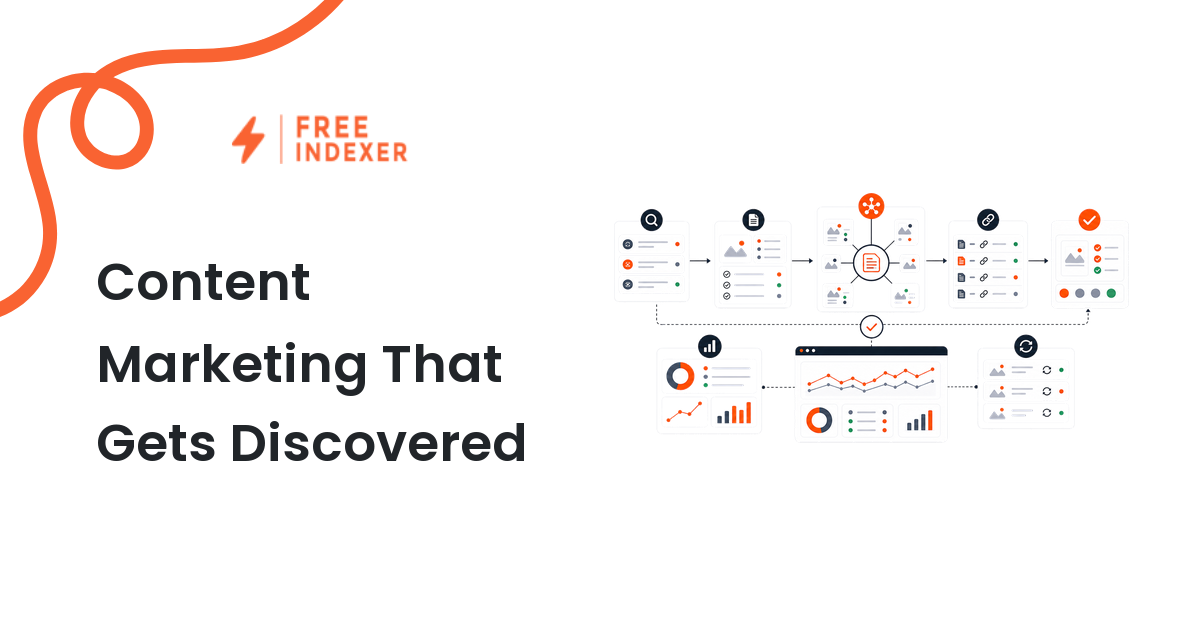
Content marketing that gets discovered is not just better writing. It is the combination of search intent, useful structure, internal links, technical readiness, and follow-up after publishing.
If you are new to indexing and discovery, start with the indexing education hub. This guide is for content marketers and SaaS teams that want blog posts, guides, landing pages, and resource content to be easier to find.
Content Marketing That Gets Discovered Series
This is the visible hub for the Content Marketing That Gets Discovered series. It is for content marketers and saas or product teams who want a guided path instead of disconnected articles.
What You Will Learn
- How the topic works from foundation to execution.
- Which checks matter before using tools, providers, or reporting workflows.
- How to prioritize URLs, content, backlinks, campaigns, or platform pages.
- How to connect each article to the next step in the workflow.
Recommended Reading Order
- Content Marketing That Gets Discovered - Series hub
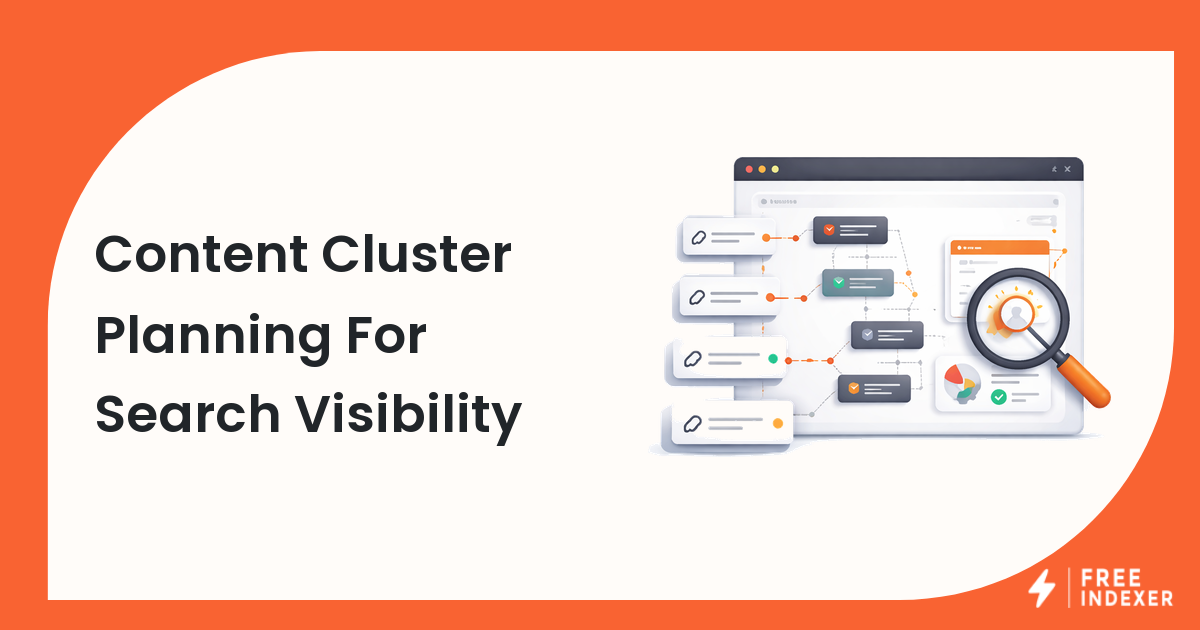
- Content Cluster Planning For Search Visibility - Cluster guide
- Keyword Intent Checklist Before Writing - Cluster guide
- Content Brief Template For SEO Pages - Cluster guide
- On-Page SEO Checklist For New Content - Cluster guide
- Blog Publishing Checklist For Indexing - Cluster guide
- Content Refresh Workflow For Organic Growth - Cluster guide
- Content Visibility Reporting For Content Teams - Cluster guide
Article Sequence
| Part | Article | Role |
|---|---|---|
| 1 | Content Marketing That Gets Discovered | Hub |
| 2 | Content Cluster Planning For Search Visibility | Cluster |
| 3 | Keyword Intent Checklist Before Writing | Cluster |
| 4 | Content Brief Template For SEO Pages | Cluster |
| 5 | On-Page SEO Checklist For New Content | Cluster |
| 6 | Blog Publishing Checklist For Indexing | Cluster |
| 7 | Content Refresh Workflow For Organic Growth | Cluster |
| 8 | Content Visibility Reporting For Content Teams | Cluster |
Where FreeIndexer Fits
FreeIndexer fits after the strategy work produces priority URLs that deserve discovery follow-up, such as launch pages, refreshed guides, or verified campaign URLs.
Where SEOeStore Fits
SEOeStore is not a primary part of this series unless the reader later needs managed SEO or provider execution outside the article topic.
Next Step
Start with this hub, then follow the reading order above. Each cluster article links back here and points to the previous and next article in the sequence.
The Short Answer
Discoverable content starts before writing. Define the exact search intent, choose the right page format, write for a specific reader, connect the page to a content cluster, add internal links, publish with clean metadata, and track the URL after launch.
Indexing follow-up helps only after the page is worth discovering. It cannot make a vague article satisfy the wrong search intent.
What Makes Content Discoverable
| Element | What it means | Example |
|---|---|---|
| Search intent match | The page answers the reason someone searched | A checklist article actually gives a checklist |
| Specific audience | The article speaks to a real workflow | SaaS content lead, Shopify owner, SEO operator |
| Useful structure | Headings match the decisions readers need to make | Steps, tables, examples, mistakes, next actions |
| Internal links | The page sits inside a useful cluster | Hub page links to supporting guides and back |
| Technical readiness | The URL is crawlable, indexable, canonical, and linked | No accidental noindex, clean sitemap, final URL |
| Publishing follow-up | The team tracks discovery and performance after launch | Search Console, analytics, URL queue, refresh notes |
For the indexing layer after launch, use the search discovery workflow for new content.
Discoverable Content Planning Checklist
Before assigning a draft, answer these questions:
- What is the exact promise of the title?
- Who is the primary reader?
- What decision or task should the article help them complete?
- What page type fits the intent: checklist, comparison, tutorial, template, troubleshooting guide, or opinion?
- Which existing articles should link to the new page?
- Which articles should the new page link to?
- What example, table, template, or workflow will make the piece genuinely useful?
- What metadata will explain the page clearly in search results?
- What will you measure after publishing?
- What would make the article worth refreshing later?
If internal links are weak, use internal linking for indexing before relying on submission workflows.
Example Workflow For A SaaS Content Team
A SaaS team wants to publish an article titled "Feature Adoption Metrics For Product Teams." A generic article would define adoption and list surface-level metrics. A discoverable article goes deeper:
- Match the intent: product teams want metrics they can use in reporting.
- Pick the format: workflow guide with metric table and dashboard example.
- Define the reader: product marketer or growth operator, not a general business audience.
- Add examples: activation rate, weekly active feature users, retention by feature cohort.
- Link from related pages: product analytics guide, onboarding checklist, pricing page if relevant.
- Publish with a clean title, description, canonical, and final URL.
- Track impressions, clicks, engaged sessions, trial starts, and refresh notes.
The page can then enter a discovery follow-up workflow if it is important to the content cluster.
Content Quality vs Discovery Follow-Up
| Question | Content quality issue | Discovery follow-up issue |
|---|---|---|
| Does the article satisfy the query? | Yes | No |
| Is the page unique and useful? | Yes | No |
| Is the URL accessible and internally linked? | Both | Both |
| Is the page in the sitemap? | Technical/content operations | Discovery support |
| Should the URL be tracked after launch? | No | Yes |
| Should FreeIndexer be used? | Only after the page is ready | Yes, for priority URL follow-up |
The difference between indexing and business performance matters. Read URL indexing vs ranking if your team is mixing discovery, rankings, and traffic in one report.
Common Mistakes
- Writing the article before defining the search intent.
- Choosing a title that promises a checklist but publishing a general essay.
- Publishing isolated posts with no cluster or internal links.
- Using the same introduction pattern across every article.
- Adding product mentions where they do not help the reader.
- Measuring only traffic and ignoring impressions, engagement, conversions, and refresh opportunities.
- Submitting new URLs before checking whether the article is actually useful.
What To Do Next
| Stage | Action |
|---|---|
| Planning | Define intent, ICP, page format, and internal links |
| Drafting | Add examples, tables, workflows, and specific decisions |
| Editing | Remove generic filler and check the title promise |
| Publishing | Confirm metadata, canonical, sitemap, and links |
| Follow-up | Track discovery, clicks, engagement, and refresh notes |
Where FreeIndexer Fits
FreeIndexer fits when a content team has important URLs that are ready for discovery follow-up: a new content cluster, a product launch article, a refreshed guide, or a priority page that needs tracking.
It should not be forced into every content marketing step. The content still needs to satisfy intent, help the reader, and connect to the site structure.
Part Of This Series
This article is part of the Content Marketing That Gets Discovered series.
Recommended path:
- Previous: Start here
- Current: Content Marketing That Gets Discovered
- Next: Content Cluster Planning For Search Visibility
Series hub: Content Marketing That Gets Discovered
Related guides from other workflows:
FAQ
What does content discovery mean in SEO?
Content discovery means a page can be found, crawled, understood, linked, and evaluated by search engines and users. It includes more than publishing the URL.
Should every blog post go into an indexing workflow?
No. Use follow-up for priority URLs that are useful, internally linked, and strategically important. Low-value posts should be improved first.
How do I make content less generic?
Define a specific reader, promise one clear outcome, include examples from that workflow, and add practical tables, checklists, templates, or diagnostic steps.