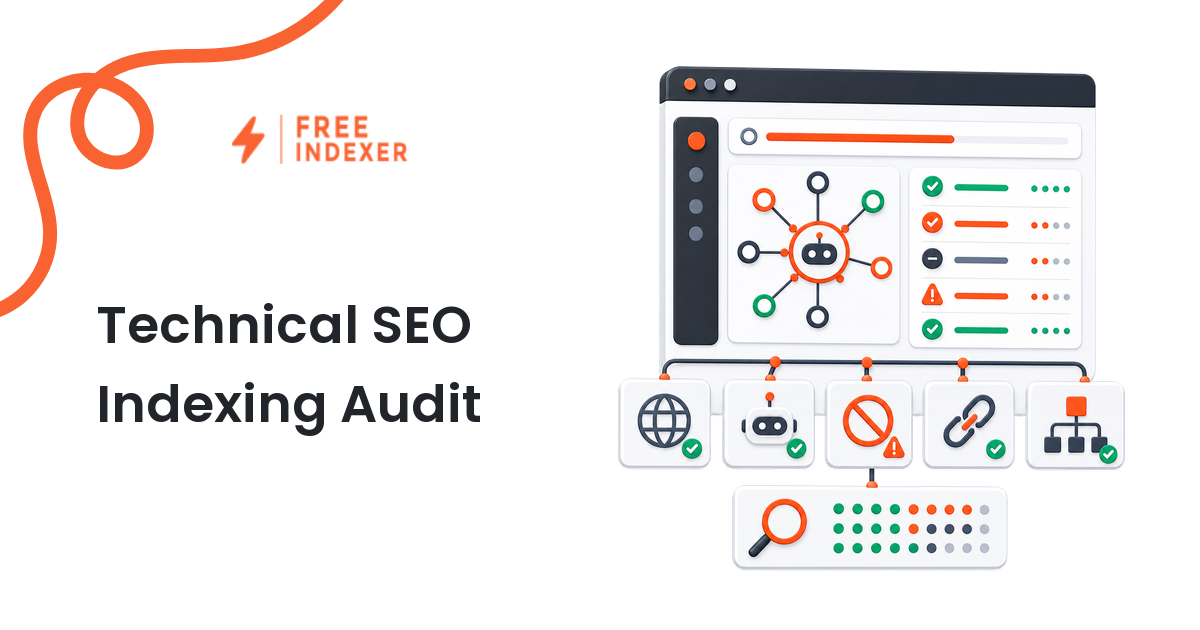
An indexing problem is often a technical SEO problem first. If a page is blocked, duplicated, canonicalized away, missing from internal links, or excluded from the sitemap, submitting it again will not fix the root cause.
Use this audit before spending time on URL submission. It helps you decide whether a page is ready for discovery or needs repair first.
The Short Answer
A technical SEO indexing audit checks whether important URLs are accessible, indexable, canonical, internally linked, sitemap-ready, and useful enough to deserve discovery.
The goal is not to submit more URLs. The goal is to submit better-qualified URLs after removing the blockers that make indexing less likely.
When This Matters
Run this audit when:
- new pages are not appearing in search
- many pages show as discovered but not indexed
- pages are crawled but not indexed
- a migration changed URL structures
- programmatic pages are published in large batches
- a client site has unclear indexing issues
- a sitemap includes URLs that should not be there
For single URL diagnostics, use the Google Search Console indexing guide. For a broader overview, start with the indexing education hub.
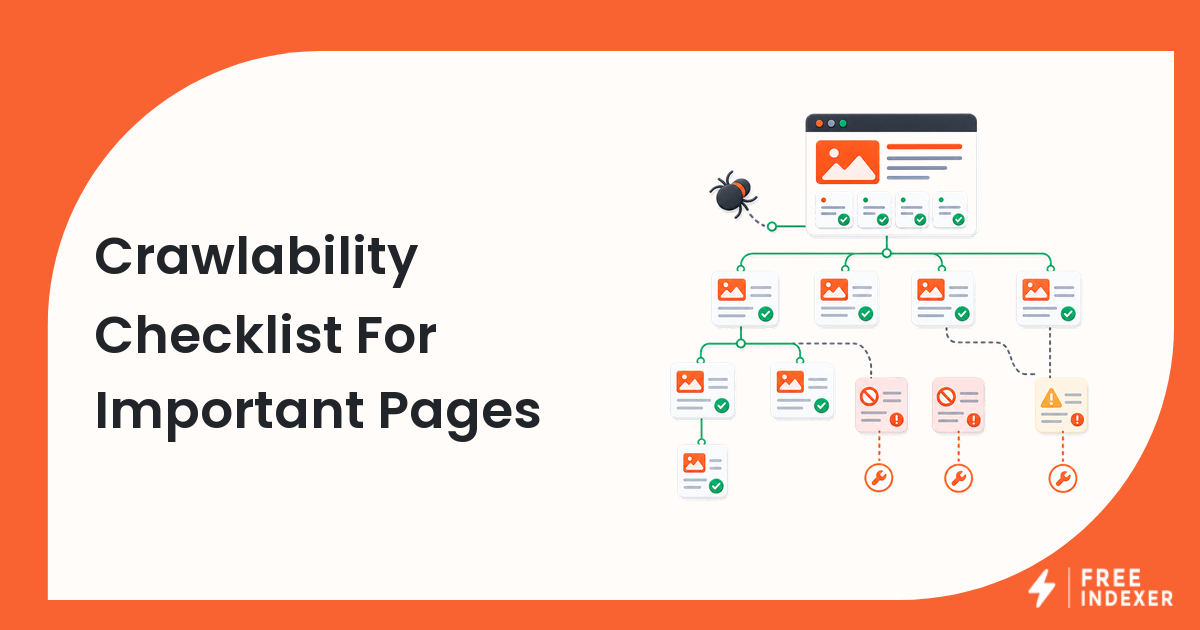
Step 1: Confirm The URL Is Accessible
Start with the basics. The page should load for a normal visitor and return a successful status code.
Check:
- HTTP status is 200
- the page is not behind login
- the server is not returning intermittent errors
- the page is not redirected unexpectedly
- the final URL is the URL you want indexed
If the URL redirects, inspect the final destination. If the server is unreliable, fix that before thinking about indexing tools.
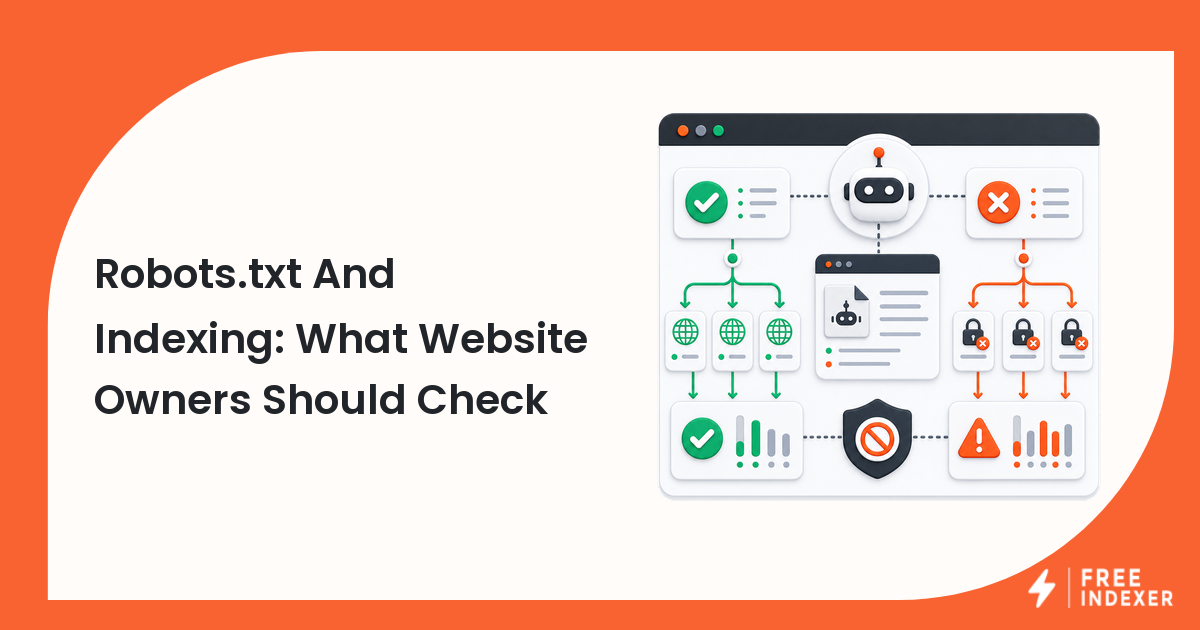
Step 2: Check Robots.txt
Robots.txt controls crawling access. A blocked URL may still appear in some search contexts, but blocking important pages is usually not what you want.
Look for rules that block:
- important content folders
- product or service page paths
- blog categories
- parameter patterns that also catch real pages
- staging or old migration paths
Be careful with broad rules. A single misplaced disallow pattern can hide more of the site than intended.
Step 3: Check Noindex Directives
A noindex directive tells search engines not to index the page. That is useful for thin utility pages, internal search results, duplicate filters, and private sections. It is a problem when it appears on important content.
Check both:
- meta robots tags in the HTML
- HTTP
X-Robots-Tagheaders
If a page is intentionally noindexed, do not submit it. If it is accidentally noindexed, remove the directive and then request discovery again.
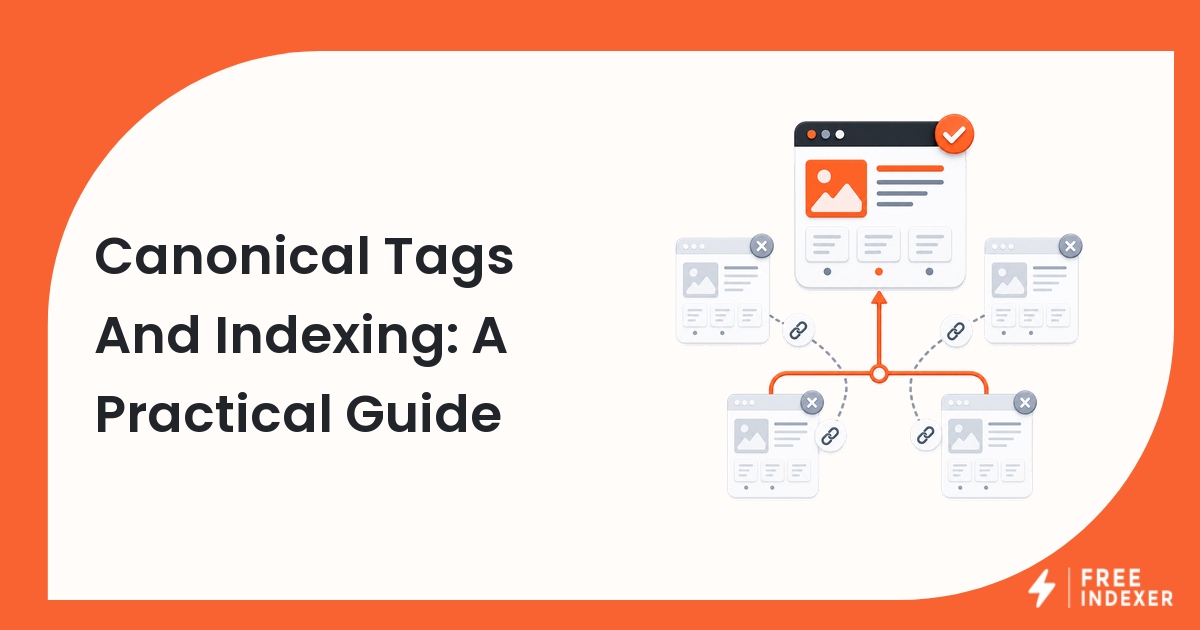
Step 4: Review Canonical Tags
Canonical tags help search engines understand the preferred version of a page. They can also quietly remove a URL from consideration if they point somewhere else.
Check whether:
- the canonical URL is present
- it points to the correct preferred page
- it uses the final HTTPS URL
- it does not point to a redirected or noindexed URL
- similar pages are not all canonicalized to the wrong location
For programmatic SEO, canonical mistakes can affect entire URL sets. Audit by template, not only one page at a time.
Step 5: Check Sitemap Inclusion
Your sitemap should include URLs that are canonical, indexable, and important. It should not be a dump of every URL your site can generate.
Review whether the sitemap includes:
- new priority pages
- updated pages that deserve recrawling
- correct canonical versions
- live 200-status URLs
Remove:
- redirected URLs
- noindexed URLs
- broken URLs
- duplicate or parameter variants
- pages that should not appear in search
A clean sitemap makes discovery easier and diagnostics clearer.
Step 6: Review Internal Links
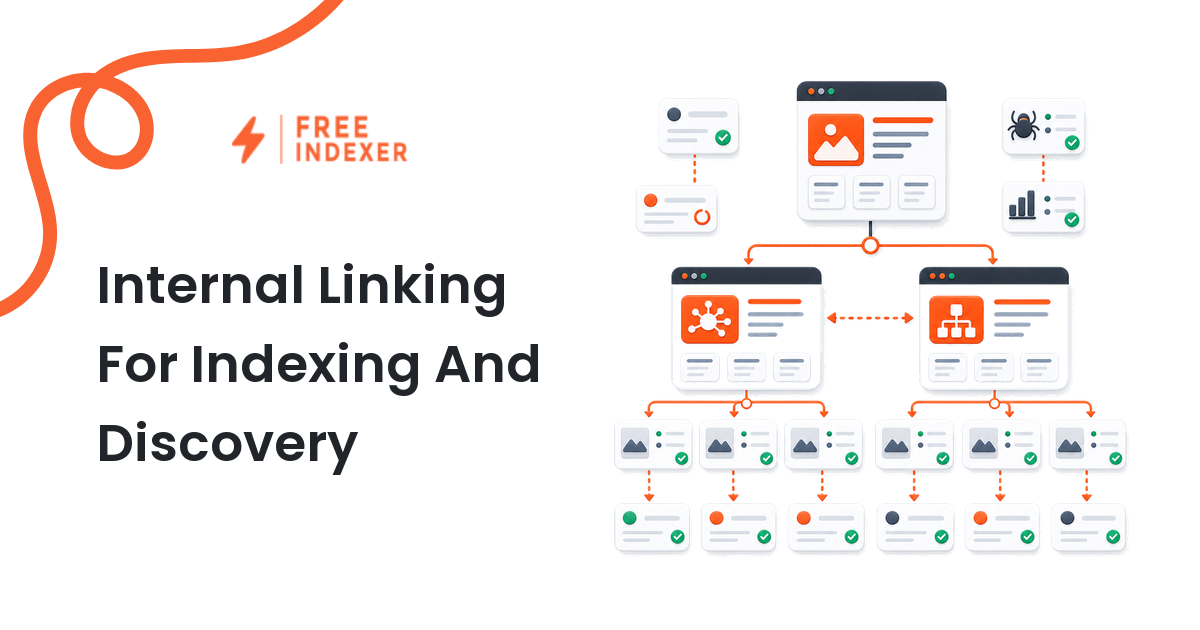
Internal links help search engines discover and evaluate pages. A page that exists only in a sitemap may still be weak if the site never links to it meaningfully.
Check whether important URLs are linked from:
- relevant category pages
- hub or pillar content
- navigation or footer sections when appropriate
- related articles
- product, docs, or resource pages
Do not add random internal links. Add links where they help users and clarify site structure.
Step 7: Evaluate Page Quality
Technical access is only part of the issue. Search engines may crawl a page and still decide not to index it if it is thin, duplicated, low-value, or too similar to existing pages.
Review:
- whether the page answers a real query or need
- whether it is meaningfully different from similar pages
- whether it has enough unique content
- whether it is connected to the rest of the site
- whether it deserves to appear in search
For large sites, this is where quality gates matter. Do not send every generated URL into a submission queue before checking whether the URL should exist.
Step 8: Submit Only Qualified URLs
After the audit, separate URLs into groups:
- ready to submit
- needs technical fix
- needs content improvement
- should remain noindexed
- should be redirected or removed
FreeIndexer fits the first group. It can help you submit priority URLs and backlinks through a repeatable workflow, especially when you manage many items. It should not be used to push blocked or low-quality URLs repeatedly.
FAQ
What is the most common technical indexing issue?
Accidental noindex, wrong canonicals, weak internal links, and low-value duplicate pages are common causes.
Can fixing technical SEO guarantee indexing?
No. It improves the page's eligibility and discoverability, but search engines still decide what to index.
Should noindexed pages be submitted?
No. If a page should be indexed, remove the noindex directive first. If it should not be indexed, do not submit it.
Are sitemaps required for indexing?
No, but they are helpful for discovery and diagnostics, especially for larger sites.
Where does FreeIndexer fit after an audit?
Use FreeIndexer for URLs that passed the audit and deserve submission in a repeatable queue.
Next Step
Audit first. Fix blockers. Then submit the URLs that are live, canonical, internally linked, sitemap-ready, and valuable enough to deserve discovery.